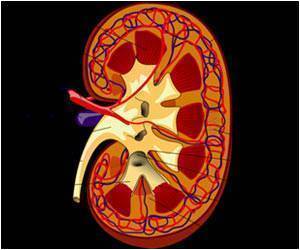
 Clinicians are well aware that distal renal tubular acidosis (dRTA) develops in response to the loss of acid secretion by the intercalated cells in the kidney. The inability to remove acid from the body results in low blood potassium levels (hypokalemia), dehydration, and excess calcium in the urine (hypercalcemia), which leads to urinary stone formation. Recently, patients with dRTA have been identified with genetic mutations that lead to the inactivation of proton ...
Saturday, 28 September 2013
Research Sheds Light on Maintaining Fluid and Electrolyte Balance in the Kidney
Clinicians are well aware that distal renal tubular acidosis (dRTA) develops in response to the loss of acid secretion by the intercalated cells in the kidney. The inability to remove acid from the body results in low blood potassium levels (hypokalemia), dehydration, and excess calcium in the urine (hypercalcemia), which leads to urinary stone formation. Recently, patients with dRTA have been identified with genetic mutations that lead to the inactivation of proton ...
Subscribe to:
Post Comments (Atom)
No comments:
Post a Comment