Monday, 9 October 2017
Reported child-on-child sex offences 'tip of the iceberg'
The victims are going unheard, says the mother of a six-year-old girl who was assaulted. via BBC News - Health Read More Here..

Opt-out organ donation
What do people waiting for an organ, or who have recently had a transplant, make of plans for an opt-out organ donation system in England? via BBC News - Health Read More Here..
Gene test 'narrows down breast cancer risk'
It could reduce the number of mastectomies among high-risk women, researchers say. via BBC News - Health Read More Here..
Does educating women boost vaccinations?
In poor countries, better education for women sees more children immunised but the trend reverses in rich countries. via BBC News - Health Read More Here..
Trump rolls back access to free birth control
The new rule could strip birth control coverage from millions of women, demolishing an Obama provision. via BBC News - Health Read More Here..
Pesto sauces: 'More salt than McDonald's burger'
Consensus Action on Salt and Health says two products are 30% saltier than seawater. via BBC News - Health Read More Here..
Australia thunderstorm asthma risk raised to 'moderate'
There is a "moderate" risk of asthma attacks triggered by conditions caused by a thunderstorm. via BBC News - Health Read More Here..
Breathing poison
At the age of 17, Urmila Yadav became one of the youngest certified cases of silicosis in India. via BBC News - Health Read More Here..
'Awkward silences'
Almost half of girls aged 14-21 in the UK are embarrassed by their periods, a new survey has found. via BBC News - Health Read More Here..
Sunday, 8 October 2017
Breast cancer: 'Why I had a double mastectomy'
Three women who decided to go through with the surgery explain why they felt it was necessary. via BBC News - Health Read More Here..
Assaults on mental health staff up 25% in four years
Workers describe a "powder keg" as a result of staffing shortages and service cuts. via BBC News - Health Read More Here..
Friday, 6 October 2017
WHO provides 1.2 million antibiotics to fight plague in Madagascar
WHO provides 1.2 million antibiotics to fight plague in Madagascar via WHO news Read More Here..
Cardiff mother wins premature baby care changes
New guidance is issued to hospital staff caring for premature babies following a mother's campaign. via BBC News - Health Read More Here..
Excessive Porn Consumption Can Cause Erectile Dysfunction – Myth or Truth?
There’s a growing trend of healthy young men using medications like Viagra and Cialis, drugs intended for older men and those with health-related erectile dysfunction (ED).
Many of these young men (unknowingly?) use these drugs to treat a condition that is psychological rather than physiological: porn-induced erectile dysfunction (PEID).
Online social groups and websites such as Your Brain on Porn and Reddit’s “no fap” group (https://www.reddit.com/r/NoFap/) were founded to help men with PIED.
At the same time, studies that checked for a connection between watching porn and erectile dysfunction found no evidence associating the two. If that’s the case, what explains the sharp rise in ED cases in young men in recent years?
In 2012, Swiss researchers used the International Index of Erectile Function (IIEF-5), finding an ED rate of 30% in a cross-section of Swiss men aged 18 to 24. A 2013 Italian study reported that one in four patients who sought help for new-onset ED were younger than 40, with rates of severe ED nearly 10% higher than in men over 40.
We asked Takeesha Roland-Jenkins (MS in psychology and MS in neurology) a professional consultant for the Between Us Clinic, to weigh in. Takeesha is an expert in both psychology and neurology, and she has a unique insight into both the psyche and the brain.
In your opinion, can excessive porn consumption really cause a man to experience erectile dysfunction?
Yes, watching hardcore porn excessively, especially pornography with deviant and violent behavior can cause mental changes that may result in erectile dysfunction.
What happens in a man’s brain when he is exposed to extreme sexual stimuli (such as hardcore pornography) and how does this relate to ED?
Hardcore pornography is often graphic and generally displays deviant, violent, and abnormally kinky behavior. This is not typical for the average sexual encounter and it can create unrealistic mental perceptions of how a man should engage in sexual activity. Furthermore, a man may initially get a thrill from watching what he believes is an exotic encounter, but over time excessive porn watching desensitizes men to intense sexual stimuli and even sexual violence which sometimes occurs in the porn that is being viewed, thereby lowering the ability to engage in true intimacy.
Pornography, in general, causes intense mental stimulation that changes the way the brain views sexual activity and sexual violence in pornography exaggerates the alterations in the brain.
This phenomenon is similar to becoming more tolerant to a certain drug after prolonged use; meaning you eventually need higher and higher doses to experience the same feelings of euphoria. Repeatedly watching hard-core porn can have a similar effect on sexual performance. In other words, watching excessive porn changes the way the brain processes sexual arousal and activity, often leading to desensitization that lowers libido and causes psychological erectile dysfunction.
Some say that men who watch too much porn can develop performance anxiety. Why does anxiety affect the ability to get and maintain an erection?
In addition, because a man’s brain has now become accustomed to getting stimulated at the sight of intense pornographic images, an ordinary encounter will cause the man to wonder if he will be able to perform at a similar level (e.g., for extended periods) as what has been observed in a pornographic video. Therefore, the performance anxiety is still related to the changes that occur in the brain and wondering if he can satisfy his partner in the manner that the brain has become used to. In other words, the anxiety is a direct result of worrying about being able to re-enact the sexual scenes in porn; this unrealistic goal can lead to performance anxiety. Subsequently, a man may get an erection, but after beginning to worry about whether he can perform like the actors in porn, the erection may soften or stop altogether.
So, other than performance anxiety, is there another reason why porn could cause men to experience ED?
The changes that occur in the brain’s ability to lead to an erection contributes more to PIED than performance anxiety. Over time the brain needs increasing levels of stimulation from the pornography in order to initiate an erection. Performance anxiety can unfortunately worsen erectile dysfunction.
Does porn-induced erectile dysfunction cure itself if the man stops watching porn?
Discontinuing pornographic viewing does not automatically cure PIED. Furthermore, drugs such as Viagra or Cialis target the physical aspect of erectile dysfunction, not the psychological aspect. This means that a man will become completely dependent upon such drugs until the brain restores its ability to initiate an erection under ordinary sexual circumstances. A healthy relationship (e.g., marriage) with a patient partner can help a man overcome PIED over time.
What form of treatment would you recommend a man who suffers from PIED?
Beneficial treatment would be in the form of individualized therapy, which may vary in time (e.g., weeks, months) depending on the individual and the degree of PIED. As PIED is often the result of an addiction to pornography, this form of treatment should be viewed as the first step to addiction recovery.
The purpose of therapy is to begin to desensitize the brain to the pornographic images and to address some of the reasons that the addiction to porn more than likely started. Men are also encouraged to reconnect intimately with their partners in order to help the brain restore its ability to initiate sexual arousal during ordinary sexual encounters. Overall, a man must be willing to give himself time to gradually overcome PIED.
*Originally published on www.betweenusclinic.com
References
Prause N and Pfaus J. (2015), Viewing Sexual Stimuli Associated with Greater Sexual Responsiveness, Not Erectile Dysfunction. Sexual Medicine, 3: 90–98. doi:10.1002/sm2.58.
Landripet I and Štulhofer A. (2015), Is Pornography Use Associated with Sexual Difficulties and Dysfunctions among Younger Heterosexual Men?. The Journal of Sexual Medicine, 12: 1136–1139. doi:10.1111/jsm.12853.
Park BY, Wilson G, Berger J, Berger J, Christman M, Reina B, Bishop F, Klam WP, Doan AP. Is Internet Pornography Causing Sexual Dysfunctions? A Review with Clinical Reports. Lane SD, ed. Behavioral Sciences. 2016;6(3):17. doi:10.3390/bs6030017.
via Brain Blogger Read More Here..Amy Winehouse, arthritis and me
20-year-old Jade Carter was diagnosed with arthritis as a baby. She explains how Amy Winehouse's charity is helping her use music to ease the pain. via BBC News - Health Read More Here..
Father loses IVF damages claim
Father loses damages claim against London IVF clinic after ex-partner forged his signature to use frozen embryos. via BBC News - Health Read More Here..

Being a male midwife
When a teenage boy in Birmingham said he wanted to become a midwife, he found himself swimming against the tide. via BBC News - Health Read More Here..
Baby sleep positioners dropped by shops after deaths warning
UK stores drop products after US regulators say they can cause suffocation and are linked to 12 deaths. via BBC News - Health Read More Here..
Thursday, 5 October 2017
'Hassle' for taxis to help people with disablities
People with disabilities claim some taxi services in Wales have refused to pick them up. via BBC News - Health Read More Here..
What do peace and dynamite have in common?
The Nobel Peace Prize will be announced on Friday but where do the prizes come from? via BBC News - Health Read More Here..
Childhood bullying anxiety declines over time, study says
The researchers say this shows the potential for resilience in bullied children. via BBC News - Health Read More Here..
Wednesday, 4 October 2017
In and Out of the Abyss: Depression After Brain Surgery
Once again I was on the phone to my friend, sobbing. She’d put up with my tears every day since I left the hospital. Two or three daily meltdowns were the norm.
Many of my tears were over things that would have merely irritated me before: misplaced scissors, dirty socks in the middle of the living room, a brief computer glitch.
I have cavernous angiomas, tangles of malformed blood vessels, scattered throughout my brain. Two of them—one larger than a golf ball in my right parietal lobe, and the other, smaller, in my brain stem—had bled, and I underwent brain surgeries to remove them.
The bleeds and surgeries led to side effects including loss of balance, vertigo, nystagmus, trouble with sensory overload, and a number of cognitive deficits. My emotions also seemed volatile. I expected that my emotions would settle down as my brain healed. They didn’t.
After putting up with about a month’s worth of meltdowns, my friend spoke up. “I think you need meds.”
I was shocked. The possibility of psychiatric medication had not occurred to me. The people I knew who needed it had major issues: a cousin whose mother had died when she was ten years old, a friend who had been suicidal, a student with bipolar disorder. I wasn’t depressed. I just got really upset too easily. I was just fragile, and, given what I’d been through, that was understandable.
I wasn’t in denial over my emotional state. Aware of my extreme vulnerability, I’d been proactive: I’d started seeing a psychotherapist regularly within days of my return home from the hospital. I had things under control.
I knew that brain injury can cause chemical imbalances, which can lead to clinical depression. In one account I read, a patient lamented not having gone on antidepressants sooner. Feeling fortunate that I wasn’t in that bad of shape, I sympathized with those who were.
I didn’t need meds.
Over the next few weeks, as the tears flowed more often and more freely, my friend grew more insistent. I continued to resist, explaining away my vulnerabilities. It was normal to grieve over losses. I blamed really bad days on my menstrual cycle.
But as the severity and frequency of my meltdowns increased, I had more trouble rationalizing.
I spiraled into the abyss and finally reached the bottom. I felt desolate. I knew I was a burden on everyone around me and that my life wasn’t much of a life. Suicide seemed logical, perhaps the only solution.
I kept my suicidal thoughts secret—I didn’t want my friend or my therapist to try to talk me out of it.
Weeks later, when I began to emerge from the abyss, I kept my silence because I felt ashamed, and later still, I added guilt to the shame—I had betrayed the trust of both my friend and my therapist.
I tried to rationalize my lie-by-omission: I told myself that I could never really take my life, that I didn’t have it in me.
But in some corner of my mind there must have been doubt mixed with the rationalization because a few days later I decided to discuss antidepressants with my therapist. She agreed with my friend: it was time to consider meds.
Until the brain bleeds, I was averse to pill popping. I took painkillers for my migraines and antibiotics for bacterial infections—no other medications. After the bleeds, I started taking blood-pressure meds (Verapamil) to cut back on the chances of another bleed and anti-seizure meds (Lamictal). I was concerned about messing with my body chemistry, and worried about drug interactions—I wanted to avoid medications that listed seizures as a possible side effect. Given my concerns, my therapist sent me to a psychiatrist who specialized in psychopharmaceuticals.
I wasn’t sure whether there was a viable solution within my comfort zone, but the answer turned out to be straightforward: the psychiatrist suggested simply increasing my daily dose of Lamictal. Anti-seizure meds not only prevent seizures; they also act as mood stabilizers and are often used to combat depression and bipolar disorder.
My psychiatrist conferred with my neurologist, who, concerned about adverse reactions to the Lamictal, was firm about capping my daily dose at 600 milligrams. My psychiatrist, determining that my depression was severe, decided to increase the dose directly from the 400 milligrams I was on to 600 milligrams, instead of ramping up in increments, which is the standard procedure.
I responded well to the increase. Feeling like myself once again, I realized just how badly off I’d been. Like my cousin, my student, and my friend, I too had major issues. Except that I really wasn’t like them—my issues were temporary. Once my brain healed, my depression would be over, and I’d be able to get off the meds.
It took a good four years and a couple of trial runs with lowered dosages before I managed to fully shrug off that piece of denial.
A decade later, I’m still on antidepressants, for good reason.
This depression isn’t “situational.” Good friends and therapy help me survive, but they aren’t enough. The bleeds and surgeries changed my neurochemistry. These changes are real, and they’re here to stay. The meds are here to stay, too.
via Brain Blogger Read More Here..Moving Just 1 Hour a Week May Curb Depression Risk
Intensity of exercise didn't matter, and benefit leveled off after 2 hours of activity, study finds
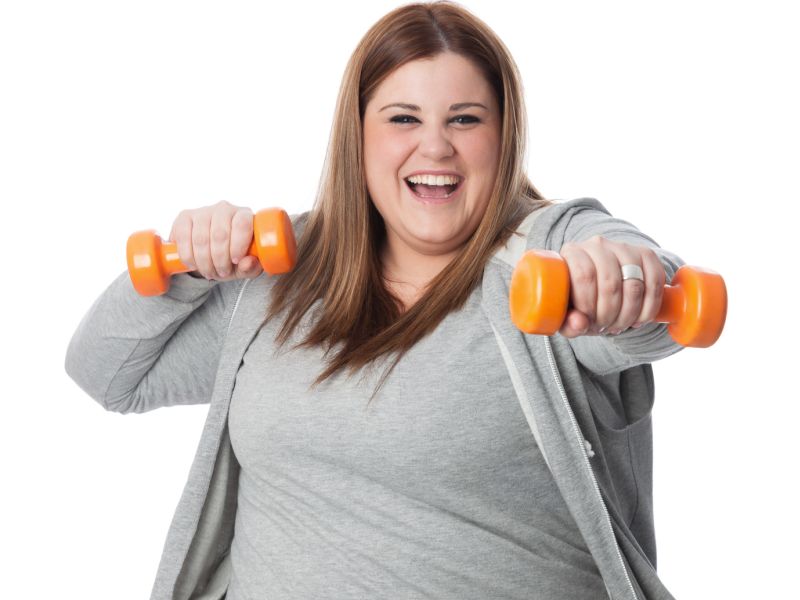
Source: HealthDay via Exercise and Physical Fitness New Links: MedlinePlus RSS Feed Read More Here..
Being asexual
At first Stacey thought she wasn't normal, then she thought she might be ill. Finally she discovered she was actually asexual. via BBC News - Health Read More Here..
Lauren is researching the impact bowel conditions like Irritable Bowel Syndrome can have
Lauren is mapping the toilets in her town with fellow IBS sufferers to see what impact bowel conditions like Irritable Bowel Syndrome can have via BBC News - Health Read More Here..
Tuesday, 3 October 2017
Partners commit to reduce cholera deaths by 90% by 2030
An ambitious new strategy to reduce deaths from cholera by 90% by 2030 will be launched tomorrow by the Global Task Force on Cholera Control (GTFCC), a diverse network of more than 50 UN and international agencies, academic institutions, and NGOs that supports countries affected by the disease. via WHO news Read More Here..
New WHO leadership team announced
Dr Tedros, WHO Director-General, announced the senior leadership team. via WHO news Read More Here..
Online Game Could Boost Family Fitness
But more research needed because study participants were all white, and wealthier than most Americans

Source: HealthDay via Exercise and Physical Fitness New Links: MedlinePlus RSS Feed Read More Here..
AncestryDNA angers privacy campaigners
Genealogy service AncestryDNA angers privacy campaigners. via BBC News - Health Read More Here..
Fewer Scots eating 5-a-day, says survey
The Scottish Health Survey shows Scottish adults are only managing three portions of fruit and veg per day. via BBC News - Health Read More Here..
Grief becomes strength
Kingdom of Us tells the story of Vikie Shanks and her seven children after their father's suicide. via BBC News - Health Read More Here..
People with type 2 diabetes should 'save carbs for last'
"Diabetics should save bread for last at mealtime to keep their blood sugar under control," the Mail Online reports. A small study found that people with type 2 diabetes who saved their carbohydrates until the end of their meal were less likely to experience a sudden rise in their blood sugar (glucose) levels. The medical term for this spike in blood sugar levels is postprandial hyperglycaemia.
Postprandial hyperglycaemia is best avoided as not only can it make the day-to-day symptoms of diabetes worse, it has also been linked to an increased risk of developing cardiovascular disease.
It has been suggested that leaving carbohydrates until the end of a meal could slow the emptying of the stomach and give it a chance to digest the protein and vegetables first, which could help prevent a blood glucose spike. The researchers wanted to see whether this was true.
This study included just 16 people who ate the foods of their meal in different orders to test which order was most effective at lowering blood sugar and related hormones. They either ate carbohydrates first, carbohydrates last, or all nutrients together at the same time.
The researchers generally found that consuming carbohydrates last was better at lowering blood sugar levels and insulin secretion when compared to the other ways of eating carbohydrates.
While the results are interesting, the study was far too small to form the basis of any firm medical guidance. For now, it's best to follow current advice, which is to consume a healthy diet and keep active to help you manage your blood sugar level. This will also help you control your weight and generally feel better.
Where did the story come from?
The study was carried out by US researchers from Weill Cornell Medical College, Columbia University and Boston Children's Hospital. It was funded by the Louis and Rachel Rudin Foundation Grant, and Diane and Darryl Mallah from The Diane and Darryl Mallah Family Foundation.
The study was published in the peer-reviewed BMJ Open Diabetes Research & Care. It is available on an open-access basis and can be read for free online.
The Mail Online's coverage generalised the results to all diabetics – but the study only looked at those with type 2 diabetes. People with type 1 diabetes typically require insulin injections to keep their blood sugar levels under control.
It also presented the findings as if they were a solid recommendation, but this is not the case, especially given this was an early-stage study using a very small number of people.
What kind of research was this?
This was a randomised crossover trial that aimed to determine the best time during a meal to eat carbohydrates to lower blood glucose levels in individuals with type 2 diabetes. The researchers also wanted to explore whether changing the order in which foods were eaten during a meal had any effect on the secretion of insulin and other glucose-regulating hormones.
Previous research has suggested that saving carbohydrates until the end of the meal lowers blood glucose levels. This follows on from the notion that eating proteins at the start of a meal stimulates insulin secretion (which helps control glucose levels). However, data on this hypothesis is limited and the researchers of this study wanted to investigate this idea further.
Crossover trials such as this are often used when the sample size is very small. Each person acts as their own control, which effectively increases sample size. The study would ideally need to be conducted using a much larger sample with people randomised to consume nutrients in different orders over a longer period to compare effects.
What did the research involve?
The researchers recruited 16 people with type 2 diabetes, between the ages of 35 and 65. All the participants had a body mass index (BMI) of between 25 and 40kg/m2 (covering the range from overweight to severely obese) and had been diagnosed with diabetes within the last 10 years.
All 16 people consumed the same meal on three separate days spaced out one week apart, with each meal following a 12-hour overnight fast.
The meals varied in terms of the order in which the nutrients were eaten. Participants were assigned the following meal types in random order:
- carbohydrates first, followed by protein and vegetables 10 minutes later
- protein and vegetables, followed by carbohydrates 10 minutes later
- all nutrients eaten together
Blood samples were taken before consumption, and then at 30-minute intervals up to 180 minutes. The following were measured:
- glucose levels
- insulin levels (a hormone released in response to high glucose levels)
- glucagon-like peptide-1 (GLP-1, a hormone secreted in the gut in response to food to signal the release of insulin)
- glucagon levels (a hormone released in response to low glucose levels)
All participants were instructed to maintain their usual level of diet and physical activity during the full study period.
What were the basic results?
The following was observed:
- When carbohydrate was consumed last, lower levels of insulin were secreted (24.8% lower than the meal with carbohydrates first), which would suggest a smaller spike in glucose. There was no significant difference between eating carbohydrates last and having all nutrients together.
- Consistent with this, glucose levels were 53.8% and 40.4% lower in the meal with carbohydrates last compared to having carbohydrates first and all nutrients together, respectively.
- The GLP-1 levels were higher in people who ate carbohydrates last.
- Glucagon levels were not significantly different between the three meal conditions.
How did the researchers interpret the results?
The researchers concluded: "In this study, we demonstrated that the temporal sequence of carbohydrate ingestion during a meal has significant impact on postprandial glucose regulation. These findings confirm and extend results from our previous pilot study; the inclusion of a third nutrient order condition, a sandwich, had intermediate effects on glucose excursions compared with carbohydrates last versus carbohydrates first."
Conclusion
This crossover trial investigated the optimal time to eat carbohydrates during a meal to lower blood glucose levels in individuals with type 2 diabetes. It generally found that consuming carbohydrates last was better at lowering glucose levels and reducing insulin secretion when compared to having carbohydrates first or all nutrients together.
The researchers say that suggesting people with type 2 diabetes follow this advice may be an effective behavioural strategy to improve glucose levels after meals.
Although the findings are interesting, there are a few points to note:
Most importantly, this study was very small. A study using a much larger sample could give completely different results. Ideally the findings would need to be verified in a well-designed trial that randomised a much larger number of people with type 2 diabetes to consume their nutrients in a specific order, and then followed their response to this pattern over a longer period of time.
There may be other factors affecting individual responses to the order of carbohydrate consumption – for example, the level of physical activity was not standardised across all participants. Again this is another factor that would need to be controlled in a larger trial.
We are all different – and saving carbohydrates until the end of a meal may only be effective for some people with type 2 diabetes, and not others.
The findings cannot be applied to people with type 1 diabetes.
These findings may pave the way for further research through larger trials, which in time may result in a change in the current recommendations for meal consumption for people with type 2 diabetes.
However, they have no current implications. For now, a healthy diet and keeping active will help you manage your blood sugar level. This will also help you control your weight and generally feel better.
Links To The Headlines
Don't eat the bread first: Saving carbs for last at mealtime may help control blood sugar levels for diabetics, study finds. Mail Online, September 29 2017
Links To Science
Shukla AP, Andono J, Touhamy SH, et al. Carbohydrate-last meal pattern lowers postprandial glucose and insulin excursions in type 2 diabetes. BMJ Open Diabetes Research & Care. Published online September 14 2017
Life-changing headache
Four years ago David Baldwin woke up with a headache that has completely changed his life. via BBC News - Health Read More Here..
Calls for Amazon to ban 'anorexia hoodie'
One woman living with anorexia said it could "damage" the mental health of those with the condition. via BBC News - Health Read More Here..
Sale of acids to under-18s to be banned, Amber Rudd says
Home Secretary Amber Rudd announced the crackdown after a rise in attacks using corrosive substances. via BBC News - Health Read More Here..
Flu vaccine: NHS patients wanted to test 'universal' jab
The experimental vaccine should work against most flu types and offer years of protection, research says. via BBC News - Health Read More Here..
'I was forced from my job for giving birth'
The scale of maternity discrimination is being hidden due to the use of gagging orders, it's warned. via BBC News - Health Read More Here..
Online betting: More addicts struggling with mobile sites
A total of 63% of addicts at the National Problem Gambling Clinic struggle with mobile betting. via BBC News - Health Read More Here..
Grandfather's photograph saves little girl's life
The photo led to doctors diagnosing her with a rare form of cancer. via BBC News - Health Read More Here..
Monday, 2 October 2017
New Fibromyalgia Treatment: Emotional Awareness and Expression Therapy
Psychotherapy that encourages addressing emotional experiences related to trauma, conflict, and relationship problems has been found helpful for people with the chronic pain condition fibromyalgia.In the randomized clinical trial at Wayne State University in Detroit, 230 adults with fibromyalgia received one of three treatments. Each was presented for eight weekly sessions to small groups of patients.
The new therapy, called Emotional Awareness and Expression Therapy (EAET), helps patients view their pain and other symptoms as stemming from changeable neural pathways in the brain that are strongly influenced by emotions, the researchers explain.
EAET helps patients process emotional experiences, such as disclosing important struggles, learning how to adaptively express important feelings—especially anger and sadness, but also gratitude, compassion, and forgiveness—and empowering people to be more honest and direct in relationships that have been conflicted or problematic, according to the researchers.
The EAET intervention was compared to both an educational intervention, as well as the gold standard psychological approach in the field, cognitive behavioral therapy. Six months after treatments ended, patients were evaluated for the severity and extent of their pain and other problems that people with fibromyalgia often experience.
Patients who received EAET had better outcomes—reduced widespread pain, physical impairment, attention and concentration problems, anxiety, and depression, and more positive emotions and life satisfaction—than patients who received the education intervention, the researchers report.
More than twice as many people in EAET (34.8 percent) reported that they were “much better” or “very much better” than before treatment, compared to 15.4 percent of education patients.
An important additional finding was that the new emotion therapy also had greater benefits than cognitive behavior therapy in reducing widespread pain and in the number of patients who achieved at least 50 percent pain reduction, the researchers point out.
Mark A. Lumley, Ph.D., a professor of psychology said:
Many people with fibromyalgia have experienced adversity in their lives, including victimization, family problems, and internal conflicts, all of which create important emotions that are often suppressed or avoided. Emerging neuroscience research suggests that this can contribute strongly to pain and other physical symptoms.
We developed and tested an approach that tries to help people overcome these emotional and relationship problems and reduce their symptoms, rather than just help people manage or accept their fibromyalgia. Although this treatment does not help all people with fibromyalgia, many patients found it to be very helpful, and some had dramatic improvements in their lives and their health.
The Wayne State researchers collaborated with a team of researchers from the University of Michigan Medical Center led by David A. Williams, Ph.D., a professor of anesthesiology.
The study was published in the journal PAIN.
This guest article originally appeared on PsychCentral.com: New Therapy Technique Offers Hope to Those with Fibromyalgia by Janice Wood.
References
Lumley, M., Schubiner, H., Lockhart, N., Kidwell, K., Harte, S., Clauw, D., & Williams, D. (2017). Emotional awareness and expression therapy, cognitive behavioral therapy, and education for fibromyalgia. PAIN, 1. DOI: 10.1097/j.pain.0000000000001036.
via Brain Blogger Read More Here..Body clock scientists win Nobel Prize
Understanding how our bodies keep time has "vast implications" for health, say Nobel committee. via BBC News - Health Read More Here..
Bags for life can pose food poisoning risk, says Food Standards Agency
Keep raw meat and fish separately from other shopping to avoid getting stomach bugs, consumers told. via BBC News - Health Read More Here..
US health secretary Tom Price quits after plane scandal
Tom Price apologised after it emerged that he had taken private flights at taxpayers' expense. via BBC News - Health Read More Here..
Mental health: 10 charts on the scale of the problem
Ten charts that show how mental illness affects people in the UK. via BBC News - Health Read More Here..
NHS agrees to fund 'life-changing' drug for seven-year-old
The child has a rare condition which could cause brain damage if his diet is not controlled. via BBC News - Health Read More Here..
Schools allowed to keep spare allergy pens under new law
Children with severe allergies will have access to a spare adrenaline auto-injector in an emergency. via BBC News - Health Read More Here..
Sunday, 1 October 2017
WHO scales up response to plague in Madagascar
WHO scales up response to plague in Madagascar via WHO news Read More Here..
Show and tell for breast cancer patients
How a show-and-tell session by breast cancer survivors is helping women recently diagnosed with the disease. via BBC News - Health Read More Here..
Friday, 29 September 2017
Health services must stop leaving older people behind
Health services must stop leaving older people behind via WHO news Read More Here..
Subscribe to:
Posts (Atom)