Monday, 27 June 2016
Euro 2016: Football alcohol adverts seen 'once a minute'
People who watched Wales' Euro 2016 game against England on television saw alcohol marketing almost once every minute during play, a study finds. via BBC News - Health Read More Here..

High sport drink use among young teens 'risk to health'
High numbers of younger teenagers are risking tooth decay and obesity by regularly having high-sugar sport drinks, dental experts say. via BBC News - Health Read More Here..
Office cake culture is 'danger to health'
Having cake at work to celebrate colleagues' birthdays, engagements or just surviving the week is a danger to health, warns a senior dentist. via BBC News - Health Read More Here..
GPs to receive help to improve patients’ physical activity
 |
RCGP announces physical activity and lifestyle as new clinical priorities Related items from OnMedica Experts call for more realistic physical activity targets Physical activity decreases risk of dying in COPD Child type 2 diabetes is a ‘wake-up call’ to the nation Diabetes risk lower with high intake of fruit and veg Nutrition more important than calories, say experts |
50% drop in rate of hospital acquired foot ulcers, audit shows
 |
Little improvement on other patient harms and lack of specialist staff Related items from OnMedica Annual diabetes checks still being missed Diabetics suffer 200,000 complications per year Poor diabetes education leading to health complications Poor state of diabetes care costs money and lives NHS must hold CCGs accountable for poor diabetes care |
Hundreds of genes seen sparking to life two days after death
The discovery that many genes are still working up to 48 hours after death has implications for organ transplants, forensics and our very definition of death via New Scientist - Health Read More Here..
Alcohol adverts shown every 72 seconds during Euro 2016
 |
Campaigners warn about ‘enormous’ levels of alcohol promotion Related items from OnMedica Alcohol and the nervous system Experts link alcohol to stomach cancer Alcohol guidelines unrealistic and ignored, say experts Most Brits suffer harm from others’ drinking Alcohol-related deaths rise 5% in a year |
Experts reject BMA stance on vaping
 |
BMA policy may undermine stop smoking efforts Related items from OnMedica E-cigarettes 95% less harmful than tobacco Teenagers who vape more likely to progress to smoking, study shows MHRA licences electronic cigarettes One in nine people across the EU has tried e-cigarettes E-cigarettes beneficial to UK health and help quitting |
Extra money for NHS from Brexit in doubt
 |
Campaigners deny full promise of NHS cash boost from leaving EU Related items from OnMedica Would Brexit destabilise the NHS? Government policies more of a threat to NHS than EU, says public health expert Hunt says Brexit would be a threat to NHS Tory MP defects to ‘Remain’ camp to protest at NHS funding ‘lie’ UK’s vote to leave EU will impact on NHS |
Sunday, 26 June 2016
Unpaid carers support group launched
A support group for unpaid carers is set up so people can finally know their rights. via BBC News - Health Read More Here..
Can We Predict Which People Will Be Better At Learning Foreign Languages?
One common gripe we probably have when we observe that friend who can speak effortlessly in a dozen different tongues may be something along the lines of: “Why is he or she so good at learning languages – it’s not fair!” Well, now it appears that perhaps there is indeed some hidden advantage this friend has over ourselves: How our brain is “wired” affects how we pick up a new language.
A recent study has shown for the first time that people who have difficulty in learning a new language could have brains that are wired in a way that reduces their ability to acquire the necessary linguistic skills. In particular, this means that the intrinsic differences in how different brain regions communicate with each other makes it significantly easier for some adults to learn a second language as compared to others.
Scientists now are able to use brain scans to effectively determine how good a person’s language acquisition abilities are. It turns out that this is directly linked to the ability of the communication of the brain’s language centres when we are in a state of rest. The reason for this is that a large part of our learning processes actually occurs when we are resting – indeed, it is not surprising that sleep is of critical importance to both our learning and health.
Now, scientists have discovered that the learning of language is considerably easier if there is a higher degree of communication between two regions of the brain, more specifically when the left anterior operculum interacts more with the left superior temporal gyrus (an integral part of the language network in our brains). This has strong implications for predicting the ease (or lack thereof) at which one can learn a new language.
The study described herein involved a total of 15 English-speaking adults who were about to enlist in a course to learn French that spanned 12 weeks of intensive training. Prior to and after the course, the brains of these participants were scanned and their language abilities were tested. It was shown that those who had improved connections between the aforementioned brain regions demonstrated a much bigger degree of improvement in the administered speaking test, highlighting the important role brain wiring plays in language acquisition.
Brain rhythm patterns and the ability to learn a foreign language
In addition to the inherent “wiring” of the brain, it has also been shown recently in a separate study that the brain rhythm patterns of an adult can be another good predictor of how well he or she can learn a new language – and this measurement of brain activity during a resting state only takes a mere five minutes. In this study, scientists show that the brain’s resting state rhythms could be analyzed for characteristics that account for 60% of the variability influencing an adult’s ability to acquire a second language. The participants in this study were 19 adult volunteers with ages ranging from 18 to 31 years without any prior experience with learning French. With their eyes closed, the volunteers sat for five minutes. During this time period, they were equipped with an EEG (electroencephalogram) headset, which served to provide measurements of brain activity patterns.
For the length of the study, which took place over a total of eight weeks, the volunteers went to the lab two times a week to take part in French lessons with each lasting 30 minutes. These language-training lessons were administered via a computer utilizing an immersive virtual reality program funded by the United States Office of Naval Research. The program is termed the Operational Language and Cultural Training System (OLCTS), and seeks to enable members of the military to gain rudimentary proficiency in a new language with only 20 training hours. Notably, the program is self-paced and provides a sequence of stories and scenes to facilitate learning. A component to recognize voices is also incorporated to allow for easy verification of pronunciation.
Additionally, the scientists included quizzes at various points in the course that required a minimum score before allowing participants to move on to the subsequent lesson. This ensured that the users were attentive when going through the lessons and also doubled as an indicator of the speed at which each user went through the designated syllabus.
After the conclusion of this training regimen, the volunteers took a test that assessed their proficiency in the new language (the coverage of the test was based on the number of lessons completed). Even though the fastest participant learned twice as quickly as the slower ones, the latter learned just as well in terms of their language proficiency. From the EEG headsets, the recordings showed that specific brain activity patterns that were linked to language-related processes had the highest correlation to the volunteers’ ability to pick up a new language, indicating that these patterns could plausibly confer some inherent benefits for people looking to learn a second language.
Are “brain advantages” the only determinants of language learning?
In the light of the findings described in this article, it is pertinent to note that the brain’s wiring does not unequivocally predetermine a person’s ability to learn a new language, given that there are many other innate as well as environmental factors involved, such as the motivation of the individual. In a similar train of thought, this does not mean that people without the “advantageous” brain pattern should not try learning a second language as such a pattern only accounts for 60% of the variability in language acquisition. This means that other factors play important roles in the learning process and should be taken into account as well.
The brain’s plasticity means that different learning stimuli and experiences can shape how it develops. To this end, these studies provide key insights into how the learning of a new language can be influenced in individual-specific differences. In this regard, it would logically follow that the long-term goal would be to eventually develop more targeted approaches for individuals to facilitate their language acquisition.
Moreover, brain activity in the resting state can be modified using a type of training dubbed neurofeedback training, for which work is ongoing currently. This program regimen allows users to strengthen brain patterns related to enhanced cognition in order to improve their performance in language learning. Hopefully, this can subsequently be extended to improving learning abilities in general in the future – an exciting concept with boundless applications.
References
Berken, J., Gracco, V., Chen, J., Watkins, K., Baum, S., Callahan, M., & Klein, D. (2015). Neural activation in speech production and reading aloud in native and non-native languages NeuroImage, 112, 208-217 DOI: 10.1016/j.neuroimage.2015.03.016
Chai, X., Berken, J., Barbeau, E., Soles, J., Callahan, M., Chen, J., & Klein, D. (2016). Intrinsic Functional Connectivity in the Adult Brain and Success in Second-Language Learning Journal of Neuroscience, 36 (3), 755-761 DOI: 10.1523/JNEUROSCI.2234-15.2016
Gruzelier, J. (2014). EEG-neurofeedback for optimising performance. I: A review of cognitive and affective outcome in healthy participants Neuroscience & Biobehavioral Reviews, 44, 124-141 DOI: 10.1016/j.neubiorev.2013.09.015
Prat, C., Yamasaki, B., Kluender, R., & Stocco, A. (2016). Resting-state qEEG predicts rate of second language learning in adults Brain and Language, 157-158, 44-50 DOI: 10.1016/j.bandl.2016.04.007
via Brain Blogger Read More Here..Friday, 24 June 2016
Making Decisions on a “Hangry” Impulse
“Hangry” is slang for that feeling of anger you may get when you’re hungry. It’s very common, in my experience… My friendly advice: don’t make any important decisions when you’re hungry. Why? Because you’re more likely to act on an impulse. And this is not just a personal conclusion: this was actually the main finding of a study carried out at The Sahlgrenska Academy of the University of Gothenburg in Sweden, and recently published at Neuropsychopharmacology.
Impulsivity is a form of impaired decision-making wherein decisions are made with a lack of ability to plan for the future. Broadly speaking, impulsivity includes two components: impulsive actions and impulsive choices. These impulsive behaviors are characteristic of many psychiatric and behavioral disorders, such as gambling, substance abuse, eating disorders, for example. Research on the neurobiological mechanisms of impulsivity has established a role for some major neurotransmitters, including dopamine and serotonin.
But where does hunger fit into this? Apparently, the gut has a word to say when it comes to impulsivity. Both dopamine and serotonin are known to be modulated by a hormone that is produced by the stomach – ghrelin. Ghrelin is an appetite stimulant, which means that its levels increase during the initial period of food restriction, and this increase acts as a trigger for hunger, thereby leading to food intake. Ghrelin also increases the rewarding feeling of food through the action of dopamine and opioids. Food reward is in turn known to be positively correlated with impulsivity. And ghrelin seems to influence dopamine release in areas of the brain associated with increased impulsivity in humans. Ghrelin can also increase the levels of dopamine and the activity of dopaminergic neurons in areas of the brain associated with motor control and is thereby potentially associated with motor impulsivity.
Take together, this suggests that ghrelin may theoretically act as a neurobiological regulator of impulsivity. And that was precisely what the study mentioned above aimed to determine. The authors assessed the role of ghrelin on impulsive behavior, namely on the ability to inhibit or restrain a behavioral response and to delay gratification.
Their work showed that ghrelin increases impulsivity in rats that had to perform different tasks of impulsive responding, being able to affect both impulsive actions and impulsive choices. When a large food reward could be obtained without delay, ghrelin administration predisposed the animals to selecting that larger food reward; nothing surprising here – more food sounds like an obvious choice. But when obtaining a larger reward required waiting, a smaller but immediate reward became preferred. This revealed that ghrelin administration led to an inability to delay gratification, which is a manifestation of impulsive behavior.
Ghrelin’s association with dopamine release was also studied and it was shown that ghrelin administration led to an increase in the levels of dopamine in areas of the brain associated with impulsive behavior. Ghrelin treatment caused a reduction in the expression of an enzyme responsible for dopamine degradation, consequently leading to an accumulation of the neurotransmitter in that area. Reduced activity of that enzyme (Catecol O-Metiltransferase – COMT) is actually associated with attention-deficit/hyperactivity disorder and obsessive-compulsive disorder in humans, two conditions in which impulsive behaviors are paramount. This sustained the hypothesis that ghrelin’s effect on impulsivity occurs, at least partially, through the action of dopamine.
Besides explaining why we become so impulsive when we need food, this study also establishes another link between the gut and the brain: it shows how a gut-produced hormone regulates neurobiological mechanisms of impulsive behavior.
So, remember: whenever you get “hangry”, you can blame it on ghrelin. I sure will!
References
Abizaid, A. (2009). Ghrelin and Dopamine: New Insights on the Peripheral Regulation of Appetite Journal of Neuroendocrinology, 21 (9), 787-793 DOI: 10.1111/j.1365-2826.2009.01896.x
Anderberg, R., Hansson, C., Fenander, M., Richard, J., Dickson, S., Nissbrandt, H., Bergquist, F., & Skibicka, K. (2015). The Stomach-Derived Hormone Ghrelin Increases Impulsive Behavior Neuropsychopharmacology, 41 (5), 1199-1209 DOI: 10.1038/npp.2015.297
Bizot, J., Le Bihan, C., Puech, A., Hamon, M., & Thiébot, M. (1999). Serotonin and tolerance to delay of reward in rats Psychopharmacology, 146 (4), 400-412 DOI: 10.1007/PL00005485
Cheuk, D., & Wong, V. (2006). Meta-analysis of Association Between a Catechol-O-Methyltransferase Gene Polymorphism and Attention Deficit Hyperactivity Disorder Behavior Genetics, 36 (5), 651-659 DOI: 10.1007/s10519-006-9076-5
Menzies JR, Skibicka KP, Leng G, & Dickson SL (2013). Ghrelin, reward and motivation. Endocrine development, 25, 101-11 PMID: 23652396
via Brain Blogger Read More Here..Diabetes Plus Kidney Problems May Raise Heart Risks
Odds of death due to heart disease 15 percent higher in black Americans with both conditions, study finds

Source: HealthDay
Related MedlinePlus Pages: African American Health, Diabetic Kidney Problems, Heart Diseases via MedlinePlus Health News Read More Here..
Drug Monitoring Programs Do Curb Overdose Deaths: Study
Opioid epidemic demands such measures, researcher says
Source: HealthDay
Related MedlinePlus Page: Prescription Drug Abuse via MedlinePlus Health News Read More Here..
Source: HealthDay
Related MedlinePlus Page: Prescription Drug Abuse via MedlinePlus Health News Read More Here..
Keep Safe When Temperatures Soar
Everyone's at risk of heat-related illness, but elderly are most vulnerable, ER specialist says

Source: HealthDay
Related MedlinePlus Page: Heat Illness via MedlinePlus Health News Read More Here..
Fiber: The Rx for Disease-Free Aging
Lots of this dietary nutrient can keep you healthy, functioning, study suggests

Source: HealthDay
Related MedlinePlus Pages: Dietary Fiber, Healthy Aging, Nutrition for Seniors via MedlinePlus Health News Read More Here..
Healthy Living Slashes Cancer Risk
The 'good' life cuts tumor odds up to 45 percent and risk of cancer death up to 61 percent, study finds

Source: HealthDay
Related MedlinePlus Pages: Cancer, Healthy Living via MedlinePlus Health News Read More Here..
Southern States Lagging in Tough Smoking Bans, CDC Says
Only 6 in 10 Americans covered by state or local laws banning smoking in public places

Source: HealthDay
Related MedlinePlus Pages: Health Disparities, Secondhand Smoke via MedlinePlus Health News Read More Here..
Dengue Virus May Bolster Zika's Attack
Prior exposure to this other mosquito-borne virus might worsen infection, study says

Source: HealthDay
Related MedlinePlus Pages: Dengue, Zika Virus via MedlinePlus Health News Read More Here..
Guidelines Stop Heat Stroke Deaths in High School Athletes
Protocols help get students used to the heat during preseason practice

Source: HealthDay
Related MedlinePlus Pages: Heat Illness, School Health, Sports Safety via MedlinePlus Health News Read More Here..
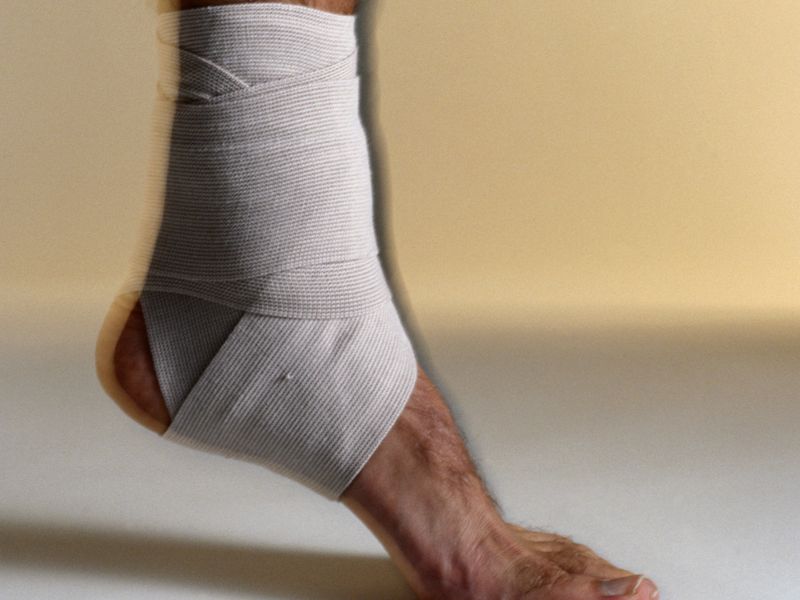
Sprained Ankle Could Pose Longer-Term Harms to Health
Study finds link between adult injury, more heart and lung problems later
Source: HealthDay
Related MedlinePlus Pages: Ankle Injuries and Disorders, Sprains and Strains via MedlinePlus Health News Read More Here..
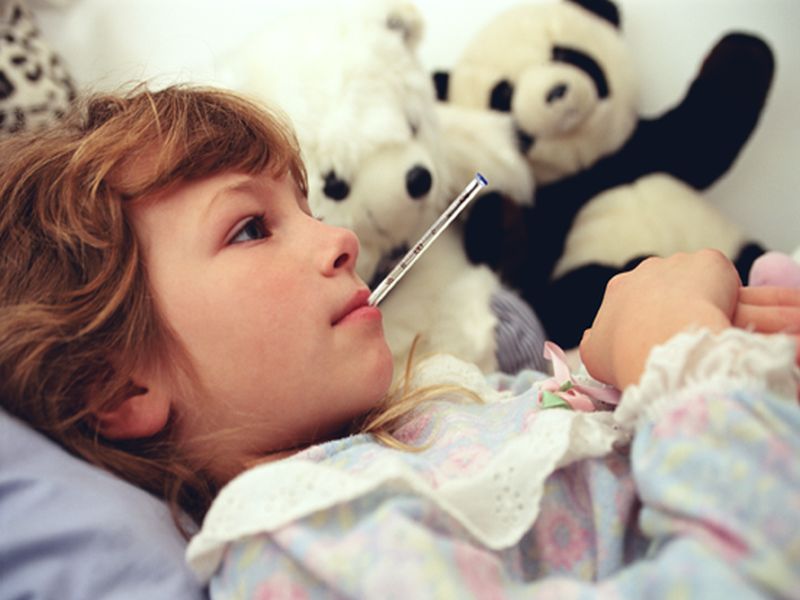
CDC Panel Says FluMist Nasal Flu Vaccine Ineffective
Agency advisors say the product has lost potency in kids and shouldn't be used in upcoming season
Source: HealthDay
Related MedlinePlus Pages: Children's Health, Flu Shot via MedlinePlus Health News Read More Here..
Scans May Spare Some Hodgkin Lymphoma Patients from Chemo
Test finds those who might respond well, may spare others treatment side effects

Source: HealthDay
Related MedlinePlus Pages: Cancer Chemotherapy, Hodgkin Disease, Nuclear Scans via MedlinePlus Health News Read More Here..
U.K. Case of Throat Gonorrhea Resists Antibiotics
U.S. officials concerned about potential danger of untreatable STD
Source: HealthDay
Related MedlinePlus Pages: Antibiotic Resistance, Gonorrhea via MedlinePlus Health News Read More Here..
Source: HealthDay
Related MedlinePlus Pages: Antibiotic Resistance, Gonorrhea via MedlinePlus Health News Read More Here..
Tourists pick up antibiotic-resistance genes in just two days
When you travel to countries such as South Korea, India and China, it takes just days for your gut flora to acquire genes that make bacteria resistant to antibiotics via New Scientist - Health Read More Here..
New life form discovered in saliva is linked to human disease
Bacteria that parasitise other bacteria have been found for the first time, and are linked to gum disease, cystic fibrosis and antimicrobial resistance via New Scientist - Health Read More Here..
Hundreds of genes seen sparking to life two days after death
The discovery that many genes are still working up to 48 hours after death has implications for organ transplants, forensics and our very definition of death via New Scientist - Health Read More Here..
Nasal spray flu vaccine for children proving effective
 |
Vaccine thought to be 57.6% effective in preventing child flu Related items from OnMedica Pharmacists to deliver flu vaccinations under new advanced service Childhood immunisation Pregnant women encouraged to have flu jab Flu shot refusers rate jab as unimportant Results from children’s flu jab pilots ‘encouraging’ |
UK’s vote to leave EU will impact on NHS
Read More Here..

Dual treatment possible for diabetes and Alzheimer’s disease
 |
Study finds new link between diabetes and Alzheimer’s Related items from OnMedica Right lifestyle can slow down dementia claim Diabetes drugs could protect against dementia Depression and diabetes linked to increased dementia risk Metformin doesn’t help HbA1c in teens with type 1 diabetes Cancer drug improve Alzheimer’s symptoms |
Genetically caused low birthweight linked to diabetes risk
 |
Each genetic risk score point increases diabetes risk by 6% Related items from OnMedica Child type 2 diabetes is a ‘wake-up call’ to the nation Child health risks of gestational diabetes NICE might underestimate gestational diabetes Probiotics in newborns might lower diabetes risk Maternal gestational diabetes increases risk of autism |
Leader thanks GPs for their support during strike action
 |
BMA says profession is united following strike action Related items from OnMedica Agreement reached in junior doctor dispute Contract debacle prompts medical students to consider careers overseas Hunt asks GPs to work harder during juniors’ strike Juniors’ contract concerns about far more than pay GPs, consultants and public back striking juniors |
On The Pulse - June 2016
 |
Stem-cell transplantation for multiple sclerosis |
Whole Genome Sequencing: Cracking the Genetic Code for Foodborne Illness
Source: Food and Drug Administration
Related MedlinePlus Page: Foodborne Illness via MedlinePlus Health News Read More Here..
Related MedlinePlus Page: Foodborne Illness via MedlinePlus Health News Read More Here..
Thursday, 23 June 2016
Male infertility cure will be gateway to editing our kids’ genes
The first use of germline genetic engineering could be to treat infertility in men, paving the way for its wider use, says Michael Le Page via New Scientist - Health Read More Here..
Abortion Rates Rising in Zika-Affected Countries, Study Shows
Brazil, Ecuador have seen requests to a women's helpline double in 2016 over prior rates
Source: HealthDay
Related MedlinePlus Pages: Abortion, Infections and Pregnancy, Zika Virus via MedlinePlus Health News Read More Here..
Doing This At Bedtime Could Temporarily Rob Your Sight
It's a common activity in today's digital world, leading some to fear blindness, researchers say

Source: HealthDay
Related MedlinePlus Page: Vision Impairment and Blindness via MedlinePlus Health News Read More Here..
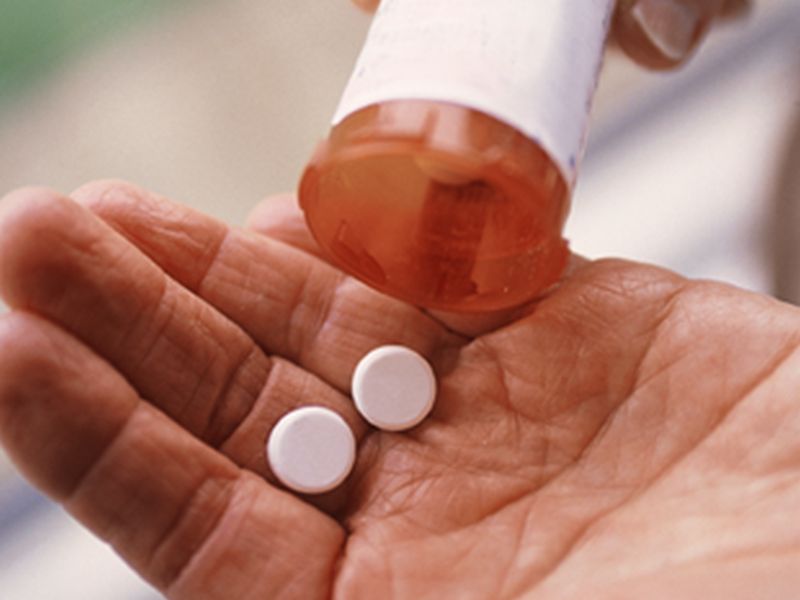
Tighter Opioid Laws in U.S. Haven't Eased Misuse
Study of disabled workers finds no change in painkiller use, overdoses
Source: HealthDay
Related MedlinePlus Pages: Pain Relievers, Prescription Drug Abuse via MedlinePlus Health News Read More Here..
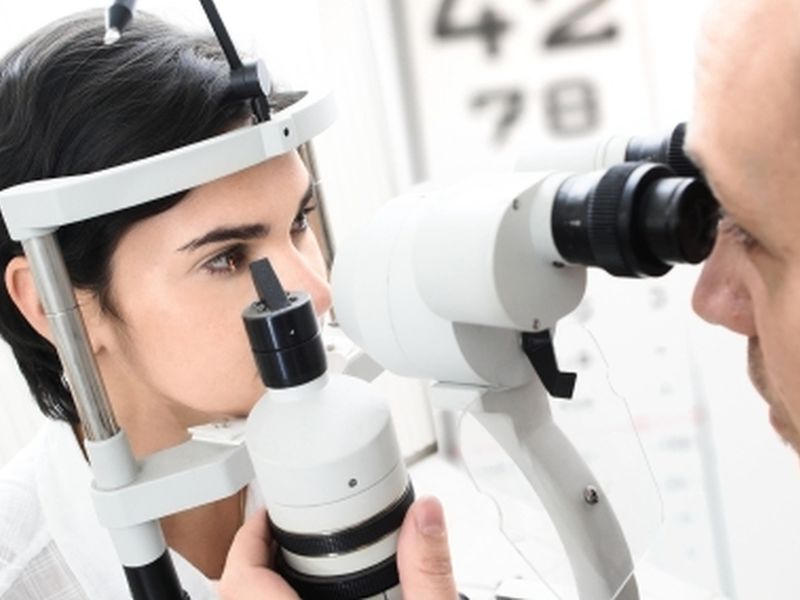
Zika Can Also Strike Eyes of Adults: Report
Case of man with potentially severe condition suggests virus can damage vision in more than babies
Source: HealthDay
Related MedlinePlus Pages: Eye Diseases, Zika Virus via MedlinePlus Health News Read More Here..
Hair Removal for A Beach-Ready Body? Do It Safely
Dermatologist explains healthiest way to remove excess hair with at-home waxing
Source: HealthDay
Related MedlinePlus Pages: Hair Problems, Skin Conditions via MedlinePlus Health News Read More Here..
Source: HealthDay
Related MedlinePlus Pages: Hair Problems, Skin Conditions via MedlinePlus Health News Read More Here..
Heart Attack Help? There's an App for That
Emergency medicine specialist says technology's potential in health care remains largely untapped

Source: HealthDay
Related MedlinePlus Pages: CPR, Heart Attack, Stroke via MedlinePlus Health News Read More Here..
Women Get Worse Cardiac Arrest Care Than Men
They need to be treated as aggressively as men when their hearts stop, experts say

Source: HealthDay
Related MedlinePlus Pages: Cardiac Arrest, Emergency Medical Services, Women's Health via MedlinePlus Health News Read More Here..
A Little Guidance Is Key to Getting That Cancer Screen
Study shows how one hospital's 'patient navigators' boosted testing rates

Source: HealthDay
Related MedlinePlus Pages: Health Disparities, Health Screening via MedlinePlus Health News Read More Here..
Irregular Heartbeat More Deadly in Blacks
They were twice as likely to suffer stroke, heart failure and death than whites with atrial fibrillation
Source: HealthDay
Related MedlinePlus Pages: African American Health, Atrial Fibrillation, Stroke via MedlinePlus Health News Read More Here..
Source: HealthDay
Related MedlinePlus Pages: African American Health, Atrial Fibrillation, Stroke via MedlinePlus Health News Read More Here..
Alternative Medicine Taking Hold Among Americans: Report
More than $30 billion paid out-of-pocket for acupuncture, yoga, chiropractic care, supplements
Source: HealthDay
Related MedlinePlus Pages: Complementary and Integrative Medicine, Health Statistics, Herbal Medicine via MedlinePlus Health News Read More Here..
Source: HealthDay
Related MedlinePlus Pages: Complementary and Integrative Medicine, Health Statistics, Herbal Medicine via MedlinePlus Health News Read More Here..
Behavior Woes Hamper Boys More Than Girls in School
They were more likely to be held back, punished, although they also were more likely to have issues

Source: HealthDay
Related MedlinePlus Page: Child Behavior Disorders via MedlinePlus Health News Read More Here..
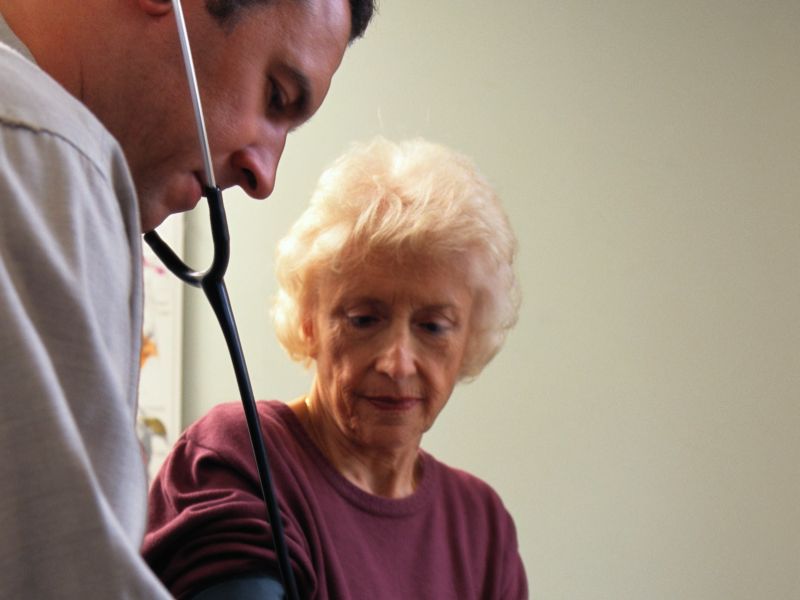
Many Male Docs May Overlook Female Heart Risks
French team say search of health records finds gender gap
Source: HealthDay
Related MedlinePlus Page: Heart Disease in Women via MedlinePlus Health News Read More Here..
New life form discovered in saliva is linked to human disease
Bacteria that parasitise other bacteria have been found for the first time, and are linked to gum disease, cystic fibrosis and antimicrobial resistance via New Scientist - Health Read More Here..
Fixed by light: Flick a switch to banish pain and blindness
Parkinson's, blindness, chronic pain and more could all be cured using optogenetics – a revolutionary therapy that has just begun its first trial in humans via New Scientist - Health Read More Here..
Hundreds of genes seen sparking to life two days after death
The discovery that many genes are still working up to 48 hours after death has implications for organ transplants, forensics and our very definition of death via New Scientist - Health Read More Here..
Subscribe to:
Posts (Atom)