Tuesday, 5 July 2016
Junior doctors reject new contract
Junior doctors and medical students in England have voted to reject the contract that has been offered to them by the government. via BBC News - Health Read More Here..

It’s safe to prescribe fewer antibiotics for coughs and colds
A study of 610 general practices has found that efforts to curb the spread of antibiotic resistance do not lead to more complications like meningitis via New Scientist - Health Read More Here..
Antidepressant prescribing doubles in a decade
 |
Over 61 million prescriptions were written last year compared with 31.6 million in 2005 Related items from OnMedica Avoiding pitfalls when prescribing for children GP prescribing has increased by almost 60 per cent in a decade Sharp rise in GP antidepressant prescribing during recession New legislation will increase independent prescribing GP prescribing intervention cuts emergency admissions |
55 million patients set to access GP records online
 |
Test results, bookings and diagnoses available online from 95% of GP practices Related items from OnMedica Community pharmacies to gain access to summary care record 10 tips to good record keeping MDU urges caution on online access to records Audit Office slams IT system for GP records Hunt calls for IT revolution |
Doctors call for ‘major shift’ away from cars
 |
Local authorities must encourage walking, cycling and public transport to cut pollution Related items from OnMedica Fewer lung symptoms in children as air pollution levels drop Act now to halt air pollution’s death toll, MPs urge government ‘Suggestive evidence’ for air pollution link to stillbirth risk Air pollution emerges as a leading factor for stroke 40,000 deaths annually due to air pollution |
CQC orders improvements to GP out-of-hours service
 |
Inspectors found delays in answering calls and poor training of triage staff Related items from OnMedica Out-of-hours pilots to test new models of care Four fifths of GPs cut back on OOH due to indemnity costs GP out-of-hours services provided by NHS higher quality Out-of-hours demand proves 24/7 expectations on GPs Ambulance trust criticised for 111 ‘failings’ |
Zika virus: pregnant women advised to avoid Olympics
 |
Chief Medical Officer issues series of tips to protect from contracting the virus in Brazil Related items from OnMedica European medicines regulator sets up Zika virus task force Soaring demand for abortions, after Zika warnings Zika virus Scans show severe brain damage in Zika-affected babies Pregnant women advised not to travel to Zika virus areas |
HPV cervical cancer test introduced in England
The NHS in England is introducing a "superior" test for cervical cancer that experts say should spot an extra 600 cancers a year. via BBC News - Health Read More Here..
Hundreds of babies born drug-dependent
Almost one in 500 babies in hospitals in England is born dependent on substances their mother took while pregnant, a BBC investigation finds. via BBC News - Health Read More Here..
Obese people rescued by firefighters more than 100 times
Firefighters in Scotland are called out to rescue obese people from their own homes more than 100 times in just over three years. via BBC News - Health Read More Here..
Fertility treatment 'works for most'
Nearly three out of four couples that begin fertility treatment will eventually become parents, long-term studies suggest. via BBC News - Health Read More Here..
Fungal infection 'threat' to human health
Fungal infections kill more people than malaria or breast cancer, but are not considered a priority warn scientists. via BBC News - Health Read More Here..
'Uncertainty' in NHS over Brexit
The likely impact of Brexit is also being closely examined by senior figures in the NHS, who warn that recruitment could suffer. via BBC News - Health Read More Here..
Monday, 4 July 2016
Gut bacteria spotted eating brain chemicals for the first time
The discovery of gut bacteria that need the calming chemical GABA to survive could explain why bacteria seem to influence our mood via New Scientist - Health Read More Here..
How Do We Improve Our Working Memory?
Our working memory refers to the ability to recall as well as process information, and is a type of memory that plays an important role throughout the course of our life. As such, it is evident that boosting working memory would improve various aspects of our lives, running the spectrum from our days in school to work life and even stretching to our post-retirement years.
By today’s standards, there is unfortunately no clear “best” way to improve our working memory. There is a silver lining though – a few methods have actually shown potentially promising results in enhancing our cognitive performance in this aspect. These include:
- training the brain
- taking medications
- stimulating the brain.
Training our brains
Training the brain has been advocated as an effective way to improve our cognitive function. This is typically carried out via a series of computerized tests that are administered on a regular basis. An example of brain training is so-called core training, which generally requires the participant to perform repetitions of demanding memory tasks, in order to target mechanisms involved in the development and/or consolidation of working memory.
Some principles in these learning paradigms include minimizing automation, placing encoding and retrieval demands on working memory, as well as ensuring a high cognitive workload for participants.
In addition, there is often a focus on frequently refreshing one’s memory in conjunction with sequential processing-related tasks. Though not unequivocal, studies have shown some degree of post-training cognitive improvements, suggesting that training the brain in our own time could in fact have similar effects too.
Using medications to improve brain function
Strange though it may seem, medications used in managing psychiatric disorders are often able to improve performance of healthy people. For instance, stimulants such as Adderall ,which are primarily prescribed for treating attention deficit hyperactivity disorder (ADHD), have been used for enhancing cognitive performance.
The effects of such drugs on the catecholamine system implies that the executive functions of those who consume them would be increased. As a result, this leads to an improvement in the ability to process information stored in working memory and also focus the attention on a task at hand. However, the safety and efficacy of such drugs when administered to improve cognition in healthy individuals is not well established.
Brain stimulation and cognition improvement
Non-invasive stimulation of brain areas could possbily enhance working memory performance as well. For instance, scientists have tried applying transcranial direct current stimulation (tDCS) to a brain region called the dorsolateral prefrontal cortex. This region is involved in holding items in working memory and the study found that such stimulation may be able to improve working memory, though the findings were not conclusive. More importantly, the aforementioned findings would suggest that there could be novel and safe ways to enhance cognition waiting to be discovered.
Case study: does the way we run affect our working memory?
A recent study showed for the first time that even how we run could affect our cognitive performance: running barefoot was reported to improve working memory performance when compared with running while wearing shoes. In particular, the critical importance of working memory as a cognitive skill means that the findings described here could feasibly provide a light-hearted and relaxing way for people to improve their working memory.
This study involved a total of 72 volunteers whose ages ranged from 18 to 44. The participants ran for approximately 16 minutes under both barefoot conditions as well as when they were wearing shoes. The speed of the run was at a self-selected pace comfortable for each individual and a measurement of working memory was carried out prior to and after the run.
Amazingly, there was a significant increase of approximately 16 percent in working memory performance for the condition in which the participants ran barefoot. In contrast, no significant changes in working memory were observed when participants took part in the run while wearing shoes. Similarly, the heart rate and running speed of the volunteers were not reported to have any significant effect on their working memory performance.
Notably, when we are running barefoot, we frequently have to avoid accidentally stepping on objects that could potentially hurt out feet. This leads to us generally monitoring our foot placement more to ensure greater precision of where we step. Hence, in order to simulate outdoors barefoot running, the volunteers in the study had to step on flat objects while they were running. In this regard, it would then be logical to surmise that the barefoot condition required more intensive demands on working memory in view of the increased tactile requirements of running barefoot as compared to running with shoes. This would in turn account for the gains in working memory concluded from the findings.
Reaching for the stars – is becoming a genius overnight possible?
Taken together, many challenges remain in this particular line of research in learning and memory given that our working memory is not one simple process under the control of a single brain region. As such, it is important to understand that research on enhancing working memory remains controversial as a large part pertains to whether these methods improve intelligence in general or a set of selected cognitive functions.
Furthermore, there is always the concern of any potential health and ethical issues related to such modifications, implying that there would be lots of red tape in the foreseeable future for breakthroughs in this field. Nevertheless, this remains an exciting and dynamic area of study that is sure to intrigue many for generations to come given the numerous changes and benefits it could well bring about to people.
References
Alloway, R., Alloway, T., Magyari, P., & Floyd, S. (2016). An Exploratory Study Investigating the Effects of Barefoot Running on Working Memory Perceptual and Motor Skills, 122 (2), 432-443 DOI: 10.1177/0031512516640391
Greely, H., Sahakian, B., Harris, J., Kessler, R., Gazzaniga, M., Campbell, P., & Farah, M. (2008). Towards responsible use of cognitive-enhancing drugs by the healthy Nature, 456 (7223), 702-705 DOI: 10.1038/456702a
Morrison, A., & Chein, J. (2010). Does working memory training work? The promise and challenges of enhancing cognition by training working memory Psychonomic Bulletin & Review, 18 (1), 46-60 DOI: 10.3758/s13423-010-0034-0
Mulquiney, P., Hoy, K., Daskalakis, Z., & Fitzgerald, P. (2011). Improving working memory: Exploring the effect of transcranial random noise stimulation and transcranial direct current stimulation on the dorsolateral prefrontal cortex Clinical Neurophysiology, 122 (12), 2384-2389 DOI: 10.1016/j.clinph.2011.05.009
Image via jeonsango / Pixabay.
via Brain Blogger Read More Here..Fertility boost through 'energy test'
Testing the "energy supply" in an embryo could improve the odds of having a baby through IVF, a study suggests. via BBC News - Health Read More Here..
Filthy Romans: Dirty secrets of the bath-obsessed ancients
The Romans brought their famous baths and toilets to three continents, so how come they left places more unhygienic than they found them? via New Scientist - Health Read More Here..
Nurse leader issues statement to reassure EU nurses
 |
EU nurses ‘absolutely essential’ says RCN chief Related items from OnMedica NHS hospitals face shortfall of 15,000 nurses, says workforce analysis Cost of agency nurses soars NHS moves to reassure worried EU nurses Plans to scrap nurse bursaries will lead to staff shortages NHS faces unpredictable outcomes following Brexit vote |
Public confused over frozen food safety
Read More Here..

More junior doctors to train in Scotland
Read More Here..

Endometrial scratching may help couples conceive
 |
Review suggests a benefit but data quality is low Related items from OnMedica Experts question growing ‘overuse’ of IVF Fertility treatments may impact on breast cancer risk Endometriosis increases risk of miscarriage and ectopic pregnancy Lack of stem cells in womb linked to miscarriage |
No improvement in mental health outcomes in Wales
 |
Access to care also in stalemate, survey shows Related items from OnMedica Children wait 10 years for mental health support Commission calls for mental health parity in Northern Ireland Guidance to reduce stigma in mental health services ‘No improvement’ in community mental health care Only a quarter have access to needed mental health services |
A visual tour of the weird world of the cryogenically frozen
From freezers in the basement to sheds in the garden, cryonics and the promise of a second life has captured many imaginations. Here are some of those stories via New Scientist - Health Read More Here..
Woman wins appeal to use dead daughter's eggs
A woman who wants to use her dead daughter's frozen eggs to give birth to her own grandchild has won a Court of Appeal battle. via BBC News - Health Read More Here..
Frozen food safety confusion causing waste, warns FSA
Confusion about frozen food safety is contributing to millions of tonnes of waste being thrown out by UK households every year, the Food Standards Agency warns. via BBC News - Health Read More Here..
Blooming health
A growing body of research suggests gardening is good for both physical and mental health. via BBC News - Health Read More Here..
Sunday, 3 July 2016
Coping with Grief and Loss: The Five Stages
The stages of mourning and grief are universal and are experienced by people from all walks of life. Mourning occurs in response to an individual’s own terminal illness, the loss of a close relationship, or to the death of a valued being, human or animal. There are five stages of normal grief that were first proposed by Elisabeth Kübler-Ross in her 1969 book “On Death and Dying.”
In our bereavement, we spend different lengths of time working through each step and express each stage with different levels of intensity. The five stages do not necessarily occur in any specific order. We often move between stages before achieving a more peaceful acceptance of death. Many of us are not afforded the luxury of time required to achieve this final stage of grief.
The death of your loved one might inspire you to evaluate your own feelings of mortality. Throughout each stage, a common thread of hope emerges: As long as there is life, there is hope. As long as there is hope, there is life.
Many people do not experience the stages in the order listed below, which is okay. The key to understanding the stages is not to feel like you must go through every one of them, in precise order. Instead, it’s more helpful to look at them as guides in the grieving process — it helps you understand and put into context where you are.
All, keep in mind — all people grieve differently. Some people will wear their emotions on their sleeve and be outwardly emotional. Others will experience their grief more internally, and may not cry. You should try and not judge how a person experiences their grief, as each person will experience it differently.
1. Denial and Isolation
The first reaction to learning of terminal illness or death of a cherished loved one is to deny the reality of the situation. It is a normal reaction to rationalize overwhelming emotions. It is a defense mechanism that buffers the immediate shock. We block out the words and hide from the facts. This is a temporary response that carries us through the first wave of pain.
2. Anger
As the masking effects of denial and isolation begin to wear, reality and its pain re-emerge. We are not ready. The intense emotion is deflected from our vulnerable core, redirected and expressed instead as anger. The anger may be aimed at inanimate objects, complete strangers, friends or family. Anger may be directed at our dying or deceased loved one. Rationally, we know the person is not to be blamed. Emotionally, however, we may resent the person for causing us pain or for leaving us. We feel guilty for being angry, and this makes us more angry.
Remember, grieving is a personal process that has no time limit, nor one “right” way to do it.
The doctor who diagnosed the illness and was unable to cure the disease might become a convenient target. Health professionals deal with death and dying every day. That does not make them immune to the suffering of their patients or to those who grieve for them.
Do not hesitate to ask your doctor to give you extra time or to explain just once more the details of your loved one’s illness. Arrange a special appointment or ask that he telephone you at the end of his day. Ask for clear answers to your questions regarding medical diagnosis and treatment. Understand the options available to you. Take your time.
3. Bargaining
The normal reaction to feelings of helplessness and vulnerability is often a need to regain control–
- If only we had sought medical attention sooner…
- If only we got a second opinion from another doctor…
- If only we had tried to be a better person toward them…
Secretly, we may make a deal with God or our higher power in an attempt to postpone the inevitable. This is a weaker line of defense to protect us from the painful reality.
4. Depression
Two types of depression are associated with mourning. The first one is a reaction to practical implications relating to the loss. Sadness and regret predominate this type of depression. We worry about the costs and burial. We worry that, in our grief, we have spent less time with others that depend on us. This phase may be eased by simple clarification and reassurance. We may need a bit of helpful cooperation and a few kind words.
The second type of depression is more subtle and, in a sense, perhaps more private. It is our quiet preparation to separate and to bid our loved one farewell. Sometimes all we really need is a hug.
Do you suffer from complicated grief?
Take the Grief Quiz now
5. Acceptance
Reaching this stage of mourning is a gift not afforded to everyone. Death may be sudden and unexpected or we may never see beyond our anger or denial. It is not necessarily a mark of bravery to resist the inevitable and to deny ourselves the opportunity to make our peace. This phase is marked by withdrawal and calm. This is not a period of happiness and must be distinguished from depression.
Loved ones that are terminally ill or aging appear to go through a final period of withdrawal. This is by no means a suggestion that they are aware of their own impending death or such, only that physical decline may be sufficient to produce a similar response. Their behavior implies that it is natural to reach a stage at which social interaction is limited. The dignity and grace shown by our dying loved ones may well be their last gift to us.
Coping with loss is ultimately a deeply personal and singular experience — nobody can help you go through it more easily or understand all the emotions that you’re going through. But others can be there for you and help comfort you through this process. The best thing you can do is to allow yourself to feel the grief as it comes over you. Resisting it only will prolong the natural process of healing.
This guest article originally appeared on PsychCentral.com:The 5 Stages of Loss & Grief
RESOURCES
- The Truth About Grief & Loss
- Children & Grief
- The Truth About Grief: The Myth of Its Five Stages
(Book Review) - On Grief, Loss and Coping
Saturday, 2 July 2016
Does Our Heartbeat Influence Our Sensory Awareness?
We don’t usually sense our heartbeat. Clearly, our brain somehow shuts down the perception of our heartbeat. How and why this happens is mostly unknown, but a new study published in The Journal of Neuroscience has unveiled some of the possible mechanisms and purposes underlying the silencing of our heartbeat.
The heart takes shape very early in embryonic development, around just two weeks after fertilization. About a week later, the heart starts beating and divides into chambers. Give it another week, and blood is already flowing through the embryo at an impressive rate of up to 160 heartbeats per minute. At this stage in embryonic development, the brain is still forming, so it’s safe to say that our heartbeat has been present since way before we could even perceive anything.
The main goal of the recent study was to unpack the effect of the so-called interoceptive (internal) signals, specifically the heartbeat, on visual awareness. Using visual awareness tasks, along with brain imaging techniques, it was studied how the heartbeat could modulate the perception of visual stimuli. The results were fascinating.
Subjects were presented with a visual stimulus consisting of a flashing yellow octagon. It was shown that the timing of the visual stimuli with respect to the heartbeat had a clear influence on visual awareness: when the visual stimulus was presented asynchronously to their heartbeat, the participants could immediately identify the target image as a yellow octagon; however, when the image was flashing at the same rhythm as their heartbeat, the participants would take longer to be aware of the yellow octagon.
The participants were then subjected to a visual discrimination task where they were presented with a flashing letter-shaped target image that was surrounded by eight similar images (distractors) displayed constantly, making the target image harder to perceive. When the target image was flashed synchronously to their heartbeat, its identification was less accurate than when it was presented asynchronously.
These findings therefore serve as evidence for a direct effect of our heartbeat on how an external visual stimulus is perceived. However, it was not the perception of the heartbeat that influenced the perception of vision since it was shown that the subjects were not aware of the synchronous rhythm.
fMRI experiments showed that there was a region in the brain, the insular cortex, that was sensitive to this cardio–visual synchrony. When the target images flashed asynchronously with the heartbeat, and the subjects perceived them easily, the insular cortex showed a normal functioning; when the flashing was in sync, on the other hand, and the subjects were less aware of the target image, the insular cortex was less active. This area of the brain is believed to enable the merging of internal and external signals, and to underlie self-awareness and bodily perception.
So, what was shown in this study was that the processing of visual stimuli that match internal cardiac signals tends to be unconsciously avoided by the brain. And it has been previously shown that the heartbeat can also affect other sensory stimuli, such as auditory, tactile, or painful stimuli. But what does that mean?
As the authors suggest, this may be due to the conflicting requirements of monitoring the heartbeat and perceiving the external world. Selectively blocking sensory information that is presented at the same rhythm as the heartbeat may be a mechanism that drives awareness away from our heartbeat, most likely to prevent internal sensations from intruding in our sensory perception of external events.
It’s as if being aware of our heartbeat would be too overwhelming to allow us to accurately notice the outside. Which actually makes sense: awareness of one’s heartbeat often occurs in the context of fear and anxiety, for example, and that is never pleasant.
References
Craig, A. (2002). How do you feel? Interoception: the sense of the physiological condition of the body Nature Reviews Neuroscience, 3 (8), 655-666 DOI: 10.1038/nrn894
Edwards, L., Ring, C., McIntyre, D., & Carroll, D. (2001). Modulation of the human nociceptive flexion reflex across the cardiac cycle Psychophysiology, 38 (4), 712-718 DOI: 10.1111/1469-8986.3840712
Karnath, H. (2005). Awareness of the Functioning of One’s Own Limbs Mediated by the Insular Cortex? Journal of Neuroscience, 25 (31), 7134-7138 DOI: 10.1523/JNEUROSCI.1590-05.2005
Macefield, V. (2003). Cardiovascular and Respiratory Modulation of Tactile Afferents in the Human Finger Pad Experimental Physiology, 88 (5), 617-625 DOI: 10.1113/eph8802548
Salomon, R., Ronchi, R., Donz, J., Bello-Ruiz, J., Herbelin, B., Martet, R., Faivre, N., Schaller, K., & Blanke, O. (2016). The Insula Mediates Access to Awareness of Visual Stimuli Presented Synchronously to the Heartbeat Journal of Neuroscience, 36 (18), 5115-5127 DOI: 10.1523/JNEUROSCI.4262-15.2016
Image via alegria2014 / Pixabay.
via Brain Blogger Read More Here..Friday, 1 July 2016
Gut bacteria spotted eating brain chemicals for the first time
The discovery of gut bacteria that need the calming chemical GABA to survive could explain why bacteria seem to influence our mood via New Scientist - Health Read More Here..
Johnson seeks to calm scientists’ Brexit fears
 |
The minister promises to act if scientists are discriminated against in projects while UK remains in the EU Related items from OnMedica Extra money for NHS from Brexit in doubt Expert advice EU membership best for cancer patients and research, say leading oncologists Brexit could end our strategic influence on science policy, warns Lords report NHS faces unpredictable outcomes following Brexit vote |
3 Treatments Seem to Help Combat Binge-Eating Disorder
Review finds these methods may aid those with the most common eating disorder in the U.S.
Source: HealthDay
Related MedlinePlus Pages: Antidepressants, Eating Disorders, Medicines via MedlinePlus Health News Read More Here..
Source: HealthDay
Related MedlinePlus Pages: Antidepressants, Eating Disorders, Medicines via MedlinePlus Health News Read More Here..
Handle Fireworks with Care on the Fourth
Take steps to avoid injury while celebrating independence
Source: HealthDay
Related MedlinePlus Page: Fire Safety via MedlinePlus Health News Read More Here..
Source: HealthDay
Related MedlinePlus Page: Fire Safety via MedlinePlus Health News Read More Here..
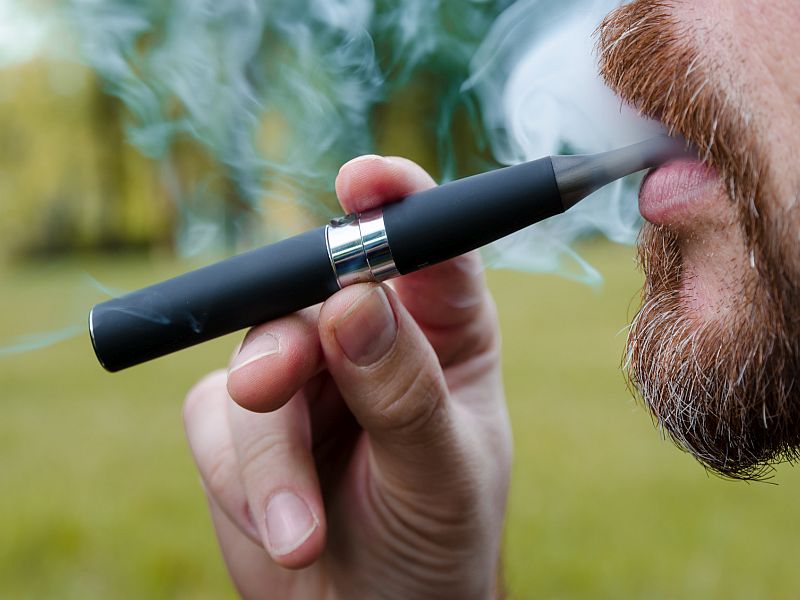
E-Cigs May Damage Cells in Mouth
Findings suggest a possible increase in the risk of oral disease, researchers say
Source: HealthDay
Related MedlinePlus Pages: E-Cigarettes, Mouth Disorders via MedlinePlus Health News Read More Here..
Jobs with the Highest Suicide Rates
Farmers, fishermen and foresters have more than 5 times the average odds, CDC says

Source: HealthDay
Related MedlinePlus Pages: Depression, Occupational Health, Suicide via MedlinePlus Health News Read More Here..
Memory Loss: Normal or a Sign of Trouble?
Everyone experiences some forgetfulness, but the FDA explains when to be concerned

Source: HealthDay
Related MedlinePlus Pages: Dementia, Memory, Seniors' Health via MedlinePlus Health News Read More Here..
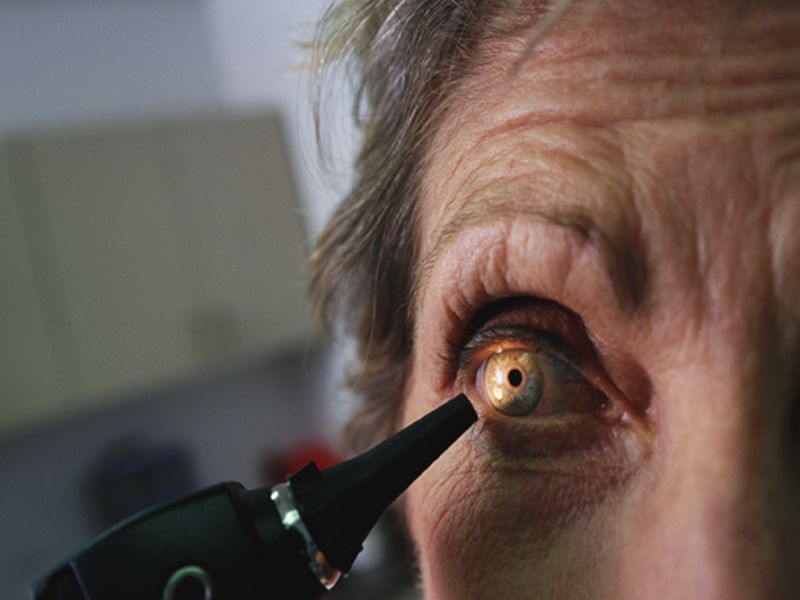
FDA Approves Eye Implant for Aging Boomers
Tiny lens reshapes cornea to improve focus on small print, objects close to you
Source: HealthDay
Related MedlinePlus Page: Refractive Errors via MedlinePlus Health News Read More Here..
Hundreds of U.S. Clinics Sell Unapproved Stem Cell 'Therapies'
Study identifies hot spots around the country

Source: HealthDay
Related MedlinePlus Pages: Health Fraud, Stem Cells via MedlinePlus Health News Read More Here..
Why Some Seniors Don't Take Their Meds
Age, failing memory play a role, but gender might matter, too, study finds

Source: HealthDay
Related MedlinePlus Pages: Medicines, Memory, Seniors' Health via MedlinePlus Health News Read More Here..
Gene Tied to Breast Cancer Raises Uterine Cancer Risk Too
Women with BRCA1 may want to consider preventive removal of uterus, researcher says
Source: HealthDay
Related MedlinePlus Pages: Genes and Gene Therapy, Uterine Cancer via MedlinePlus Health News Read More Here..
Source: HealthDay
Related MedlinePlus Pages: Genes and Gene Therapy, Uterine Cancer via MedlinePlus Health News Read More Here..
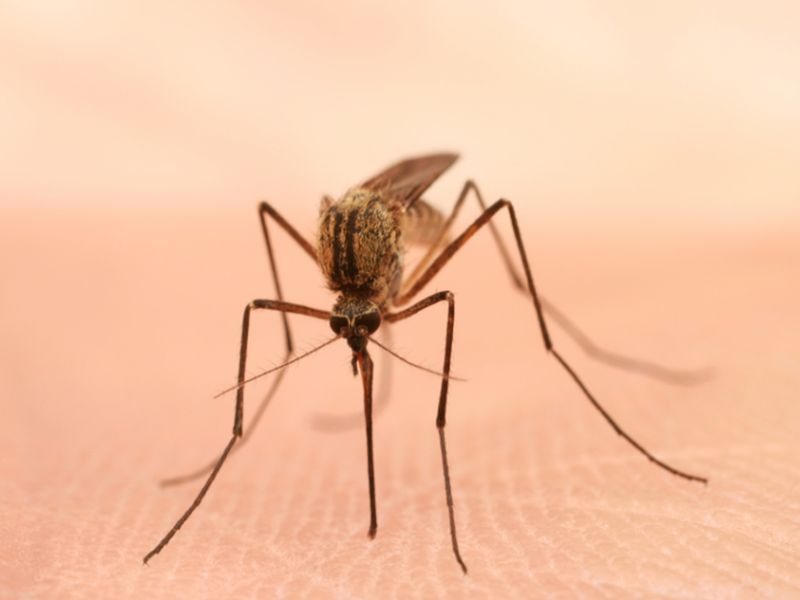
Malaria Vaccine Protection Short-Lived in Young Children
Kids in study were given 3 doses, but manufacturer now says 4 doses needed
Source: HealthDay
Related MedlinePlus Pages: Childhood Immunization, Malaria via MedlinePlus Health News Read More Here..
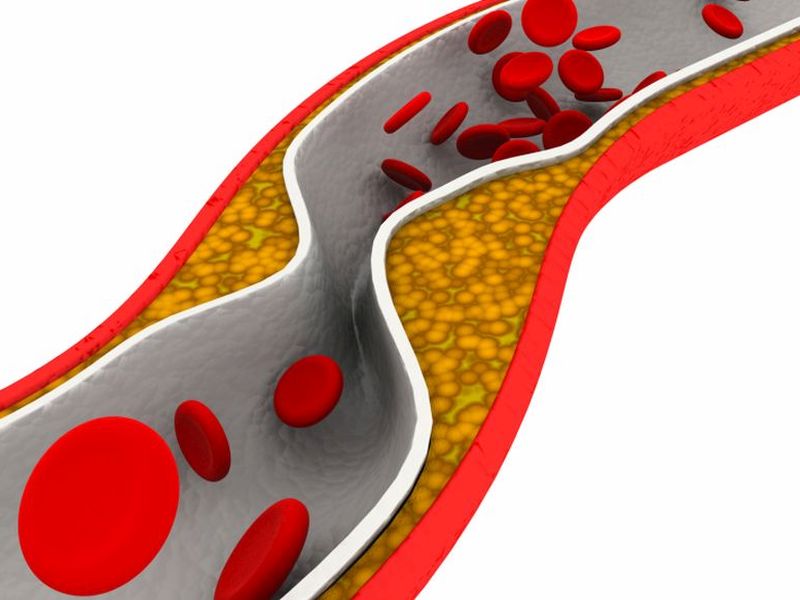
Inherited Cholesterol Disorder Significantly Boosts Heart Risks
Untreated, the condition also makes arteries age decades faster, study reports
Source: HealthDay
Related MedlinePlus Pages: Cholesterol, Heart Diseases--Prevention via MedlinePlus Health News Read More Here..
Men Face Greater Risk of Cardiac Arrest
Heart disease tends to develop earlier than it does in women, researchers say
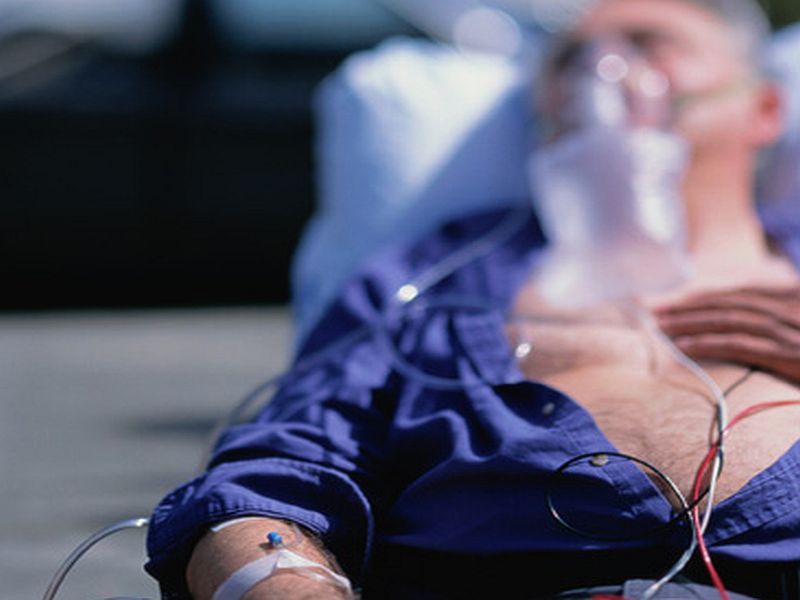
Source: HealthDay
Related MedlinePlus Pages: Cardiac Arrest, Health Disparities, Men's Health via MedlinePlus Health News Read More Here..
Uncle Sam Wants You ... Slimmer
Obesity affects 1 in 5 military members, study finds
Source: HealthDay
Related MedlinePlus Pages: Obesity, Veterans and Military Health via MedlinePlus Health News Read More Here..
Source: HealthDay
Related MedlinePlus Pages: Obesity, Veterans and Military Health via MedlinePlus Health News Read More Here..
Video May Aid End-of-Life Decision-Making
Brief film helped heart failure patients understand their options, study says
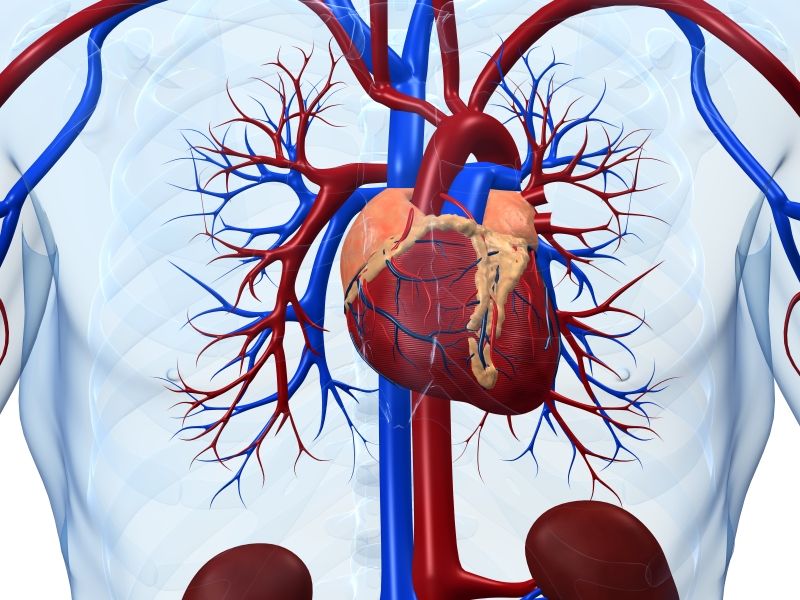
Source: HealthDay
Related MedlinePlus Pages: End of Life Issues, Heart Failure, Talking With Your Doctor via MedlinePlus Health News Read More Here..
Melanoma diagnoses hit 10,000 a year for over 55s
 |
Rates rising much faster in over 55s than in younger people Related items from OnMedica Guidance aims to iron out wide variations in melanoma management Middle-aged skin 'shows signs of cancer' Tailor advice on pros and cons of sunlight, based on individual risk, says NICE Skin cancer guidelines to help doctors spot problems Sunlight still causes damage after dark |
BRCA1 gene mutation increases risk of deadly uterine cancer
 |
The gene mutation was already known to increase risk of cancer of the breast and ovary Related items from OnMedica 'Screen more women for breast cancer gene' The pill could give long-term protection against womb cancer Obesity blamed for rise in womb cancers Experts find gene fault behind ovarian cancer Ovarian cancer study paves way for personalised medicine |
Virtual reality lets you stroll around a breast cancer cell
Medical researchers are using virtual reality to create accurate, explorable versions of our insides. Alice Klein goes for a walk via New Scientist - Health Read More Here..
Deaths from alcohol-related diseases rise by 4% in a year
 |
The number of alcohol-related deaths have risen by 13% in a decade, official figures show Related items from OnMedica Commission more teen mental health and alcohol services Large child health variations across country NHS must do much more bariatric surgery to beat obesity GPs slash total antibiotic scrips by over 7% in a year Superbugs could kill 1 person every 3 seconds |
Database of pharmaceutical industry payments to doctors goes live
 |
70% of health professionals have consented to being named on the database Related items from OnMedica Call for GMC to register doctors’ competing interests Pharmaceutical industry joins disclosure debate Pharma plans to boost transparency of its financial links to healthcare sector GPs will have to declare gifts and hospitality Extend new ‘sunshine rule’ to gifts from patients, doctors advised |
'Civil war' in immune system can fight disease
The immune system can be trained to attack itself to reverse a devastating autoimmune disease, in animals. via BBC News - Health Read More Here..
Subscribe to:
Posts (Atom)