Team used gene therapy, but there's no guarantee same method will help humans
Source: HealthDay
Related MedlinePlus Page: Alzheimer's Disease via MedlinePlus Health News Read More Here..
Team used gene therapy, but there's no guarantee same method will help humans
Cross-country survey by CDC finds untimely meat slicer cleaning, which could sicken you

Scientists say insights could further research into vaccine, treatments
Every drug or drug combo for type 2 disease has its benefits and risks, British team says
Study finds social and educational issues may be a concern as children get older

Technological advance produced thousands of doses a day; could be used on battlefields, during epidemics, scientists say

Women who fasted less than 13 hours had 36 percent higher risk of cancer recurrence, researchers say

Baricitinib helped patients who failed other treatments, researchers find

It might help predict speech and language recovery in those who suffer stroke in brain's left side, researchers find

Discovery could help explain link between expectant moms' tobacco use and kids' health problems

Australian researchers find possible link in large-scale study
Tests were done on mice, but need to be confirmed in humans, researchers say

Study detected about 61,000 more online searches and tweets on quitting smoking that day



 via New Scientist - – New Scientist Read More Here..


 via New Scientist - – New Scientist Read More Here..
 |
Over a third of UK adults and over 40% of US adults will be obese by 2025 Related items from OnMedica Managing obesity in primary care - Part 2 Managing obesity in primary care - Part 1 Rising obesity could fuel more cancer cases Obesity surgery is most effective intervention for reversing diabetes GP leaders condemn obesity strategy delay |


 via New Scientist - – New Scientist Read More Here..
 |
GSK’s plans will broaden access to important new medicines for one billion people Related items from OnMedica More than 1 billion generics dispensed in 2013, saving NHS £12 billion Cancer drug access in England is a ‘debacle’ MPs slam government for its poor management of Cancer Drugs Fund The medicine price debate UK pays less than neighbours for cancer drugs |
 |
Offenders face fixed penalty fines for disorder or confiscation of alcohol or tobacco Related items from OnMedica Zero-tolerance to violence at work – goes global Health workers get more protection from violence and abuse Abusive patient prosecuted Most emergency staff suffer alcohol-related abuse |
 |
Judicial review questions lawfulness of imposition of junior doctors' contract Related items from OnMedica Full walkout strike of junior doctors scheduled Striking out BMA to launch judicial review on contract imposition BMA urged to suspend strike GPs, consultants and public back striking juniors |
 |
Researchers find three-fold increase in epilepsy in type 1 diabetics Related items from OnMedica Infant food linked to risk of type 1 diabetes Type 1 diabetes linked to some cancers Epilepsy Adverse pregnancy outcomes far more likely in epilepsy Warning on switching epilepsy generics |
"The anti-diabetic drug pioglitazone raises the risk of bladder cancer by 63 per cent," The Daily Telegraph reports.
While the actual increased risk in real-world terms is small, the results may help to inform prescription decisions for both doctors and patients. Pioglitazone is a drug that helps people with type 2 diabetes by making their cells more sensitive to insulin.
Some previous studies have linked pioglitazone with a raised chance of bladder cancer, although the results of previous research have been inconclusive.
The new study looked at what happened to 145,806 people who took pioglitazone compared to other oral diabetes drugs (not insulin) over a 14-year period (2000 to 2014).
Researchers found that people who had taken pioglitazone, as opposed to other diabetes drugs, were 63% more likely to have been diagnosed with bladder cancer, and that the risk increased the longer they had taken it.
It is important to note that the overall risk of bladder cancer was low. There were 121 cases of bladder cancer for every 10,000 people taking pioglitazone for 10 years, compared to 89 cases for people taking other diabetes drugs.
For people who respond well to this drug, the benefits in terms of diabetes control are thought to outweigh the risks.
Anyone taking pioglitazone should continue the drug as prescribed, but discuss any concerns they have with their doctor, and immediately report any symptoms such as blood in urine, frequent urination, or pain when passing urine.
The study was carried out by researchers from the Jewish General Hospital and McGill University, both in Montreal, Canada, and was funded by the Canadian Institutes of Health Research.
The study was published in the peer-reviewed British Medical Journal (BMJ) on an open-access basis, making it free to read online.
The Daily Mail and the Telegraph covered the study accurately, for the most part.
The Mail claimed that pioglitazone "remains popular with doctors even though newer and better diabetes drugs exist, because it is so cheap," although they did not explain where this claim came from.
This appears to be a fairly flippant remark, with no hard evidence to support it.
Pioglitzone may be considered as an additional treatment for diabetes if a person's blood sugar is not controlled with one oral tablet alone. It is not used without careful consideration of the potential risks – which include cardiovascular, as well as bladder cancer, risk, and people's response is carefully monitored. It is withdrawn if it is not working.
This was a population-based cohort study, which aimed to examine whether the type 2 diabetes drug pioglitazone is associated with increased risk of bladder cancer. This is a link that has previously been observed, but as the researchers say is "controversial".
Cohort studies are useful to compare what happens to big groups of people in different situations. They cannot prove that one factor (in this case, pioglitazone) definitely causes another (bladder cancer). However, the researchers who did this study carried out a lot of additional work to rule out other possible causes (confounders) such as occupation, for the increased risk of bladder cancer.
Researchers used the records of 145,806 people who started taking a diabetes drug for the first time from January 1 2000 to July 31 2013. They followed them up until July 31 2014. After adjusting their figures to take account of other factors that could influence the results, the researchers compared the chances of getting bladder cancer for people who took pioglitazone with people who took any other diabetes drug.
The researchers also directly compared pioglitazone to rosiglitazone. This was a similar drug also introduced in 2000, but this was withdrawn in 2010 because of concerns about the risk of heart attacks and strokes. They examined whether the risk of bladder cancer increased with the length of time that people took either drug, or with the total amount they took.
To make sure they were looking at effects of pioglitazone and not any other factor, the researchers did many sensitivity tests of their figures. This included using different cut-off time periods to avoid counting people who might already have had bladder cancer before they started taking a diabetes drug, only including people who had at least four prescriptions a year, and excluding anyone who had any sort of bladder condition. They also adjusted the figures to take account of a range of confounding factors (such as age, sex and whether they smoked) that could be linked to risk of bladder cancer.
Overall, 622 people were diagnosed with bladder cancer during the study’s follow-up period.
People who took pioglitazone were more likely to have been diagnosed with bladder cancer than people who took any other drug. The longer people took pioglitazone, the higher the chances of getting bladder cancer.
The risk of getting bladder cancer was 63% higher for people taking pioglitazone (hazard ratio [HR] 1.63, 95% confidence interval [CI] 1.22 to 2.19). Absolute risk of bladder cancer was still low, at 121 cases for every 10,000 people taking pioglitazone over one decade, compared to 89 cases for people taking other diabetes drugs.
Most people in the study were followed up for four to five years. Bladder cancer risk was only significantly increased after about two years of taking pioglitazone (HR 1.78, 95% CI 1.21 to 2.64). There was no clear picture in relation to dose.
The sensitivity checks on the results did not change them in any significant way.
The researchers say their figures show that taking pioglitazone "is associated with an increased risk of bladder cancer" and the results suggest that the increased risk is "drug specific" to pioglitazone.
They say that, although they cannot rule out some confounding of the results from factors they could not measure, such as family history of cancer, their checks on the results mean they "do not believe that residual confounding is a likely explanation" for the link between pioglitazone and increased risk of bladder cancer.
It seems likely from this research that pioglitazone is linked to an increased risk of bladder cancer, although the overall chances of getting bladder cancer remain very low. While this type of research cannot prove that pioglitazone is the cause of the increased risk of bladder cancer, it is not easy to find a convincing alternative explanation for these results.
Previous research has already shown unexpectedly higher levels of bladder cancer among people taking pioglitazone, although other studies had found no such link. However, the size and the care with which this new study was carried out makes it convincing. Even so, we don’t know how the drug might cause bladder cancer. More work needs to be done to find out what action of the drug might trigger this specific type of cancer.
Doctors have already warned of a "small increased risk" of bladder cancer with this drug (PFD, 59kb). The European medicines regulator (the European Medicines Agency) advises that doctors do not use pioglitazone for people who have any history of bladder cancer, and that the risk of bladder cancer is checked before they start using the drug. Cautious use is advised for people with risk factors, such as increasing age, smoking, or history of chemotherapy or radiotherapy to the pelvic area.
For all people prescribed pioglitazone, the drug is stopped if blood sugar control does not improve within three to six months of use. However, for people who respond adequately to treatment, the benefits of pioglitazone are believed to outweigh the risks.
Anyone taking pioglitazone should continue the drug as prescribed. If you have any concerns about the link to bladder cancer, see your doctor to talk about whether the benefit you get from the drug outweighs the risks. You should always report any signs and symptoms of bladder problems immediately, such as blood in your urine, pain while urinating, or a feeling of needing to pass water urgently, to your doctor.
Common diabetes drug raises risk of developing cancer. The Daily Telegraph, March 30 2016
Common diabetes drug taken by one million patients 'raises the risk of bladder cancer by two-thirds'. Daily Mail, March 30 2016
Tuccori M, Filion KB, Yin H, et al. Pioglitazone use and risk of bladder cancer: population based cohort study. BMJ. Published online March 30 2016
But odds are small, and experts want it to remain on market, although newer drugs are available
Study finds lower relapse rate associated with naltrexone, but long-term use recommended
Dutch trial is latest to show no benefit from extended treatment, but finding unlikely to end the controversy

One donor supplied a kidney to one patient and a liver to another patient

But agency still asks those who've possibly been exposed to the virus to forgo giving blood right now
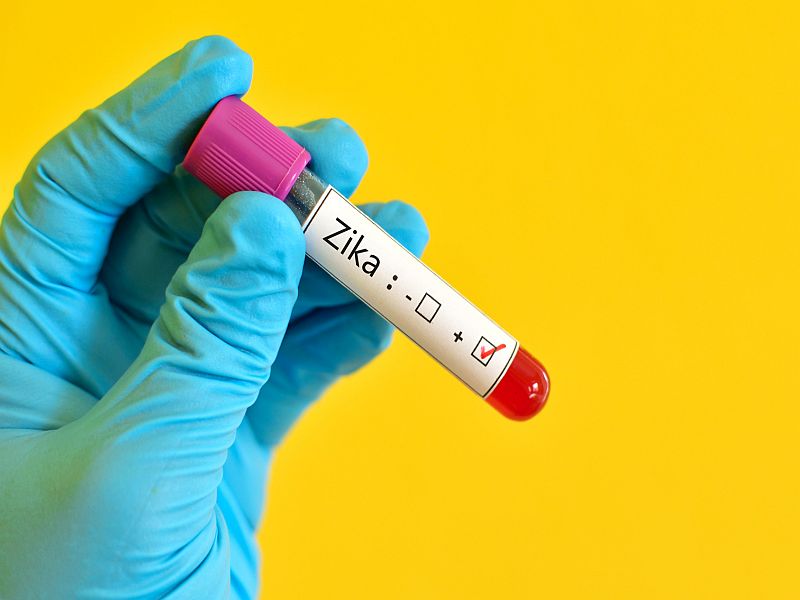
'Pulses' like these may help dieters feel fuller and reduce food cravings, new analysis shows

Inserting new DNA into cardiac cells may help strengthen the heart, study finds
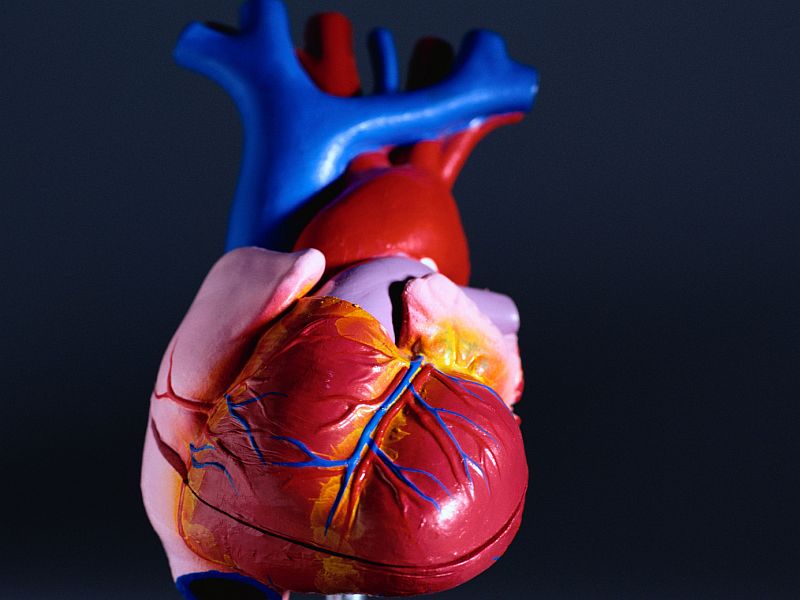
Many skip food and health care, cut back work hours or quit jobs to care for loved ones, survey shows