Saturday, 30 April 2016
Processed food bad, natural food good? We’ve got it so wrong
The trend of demonising all processed food is misguided and will only doom attempts to persuade busy consumers to eat a balanced diet, says Anthony Warner via New Scientist - Health Read More Here..
Worsening depression 'link to dementia'
Increasing symptoms of depression in older age could indicate early signs of dementia, say scientists. via BBC News - Health Read More Here..
Friday, 29 April 2016
Let people most affected by gene editing write CRISPR rules
At a human gene editing summit in Paris today, scientists, ethicists and lawyers made the case for those affected by gene editing to call the shots via New Scientist - Health Read More Here..
Ebola virus does a total shutdown to hide before a fresh strike
Evidence that Ebola can lie dormant for over a year suggests that 17,000 survivors of the disease in West Africa could yet spread the virus to many others via New Scientist - Health Read More Here..
Statement on attacks on medical facilities and personnel in Syria
UNICEF and WHO urge all parties to the conflict to end all attacks on health facilities, personnel and ambulances and to allow the provision of health services to the many innocent civilians in desperate need. Thousands of lives are at stake. via WHO news Read More Here..
Muscular dystrophy is tragic, but patients aren’t always right
A US panel has rejected a new drug for muscular dystrophy. It was the right call, says Clare Wilson – it’s a myth that ground-breaking drugs are being kept from us via New Scientist - Health Read More Here..
First US Zika death in Puerto Rico
The first known death in the US to the Zika virus is recorded in Puerto Rico where a 70-year-old has died, say health officials. via BBC News - Health Read More Here..
The teenager who can’t help speaking in a French accent
Scanning the brain of a boy who has foreign accent syndrome has revealed that we use the cerebellum, a primitive region of our brains, to plan speech via New Scientist - Health Read More Here..
Neurological Basis of Altruism
Altruistic behavior is often seen as a hallmark of civilized person. Defined as a selfless concern for the well-being of others, or action/behavior that benefits others at someone’s own expense, altruism was, for very long time, viewed from two opposite perspectives.
Some would argue that altruism is an integral part of human nature, something that is written in our genes. Others would say that altruism is a product of civilizing influence which start to appear in human society with the development of culture and/or religion. The question appears to be mostly philosophical rather than scientific, and indeed it was mostly discussed and analyzed in philosophical and theological circles. Surprisingly, more definitive answer to this question may come from neuroscience. Indeed, recent research findings provide convincing evidences that, to a certain degree, we are biologically programmed to be good and caring of each other.
Altruism is not an exclusive domain of human culture –animals are known to be altruistic. Animals fearlessly defend their youngsters, even when knowing that the offspring belong to other members of the species. Many researchers do not view parental behavior as real altruism, though. In a more convincing experiment, scientists were giving electric shocks to a rat each time when its neighbor was eating food. The neighbor eventually stopped eating! Should we view this as an example of higher level of intelligence and brain development? Neuroscience provides a remarkable answer to this question.
Altruism and charity
In their seminal work published in 2006, Moll and co-authors investigated the human brain activity using functional MRI when participants were making decisions on charitable donations with real money. Anonymous charitable activity is universally seen as an example of pure altruism since individuals donating money can hardly ever expect any benefits, favors or financial gains come back to them.
The main theme of this experiment was to construct a map of the neural pathways involved in the decisions based on self-interests or any kind of altruistic behavior. The participants were provided with the list of charitable organizations and their mission statements, and were asked to donate small amount of their sum to organizations of their own choice so that scientist could study their brain activities. But the experiment involved an additional unusual feature: the money that were not donated would be given to participant as his/her personal monetary reward. Thus, there was a conflict between decisions to donate or to oppose the cause.
Most of the participants made consistently costly decisions donating, on average, 40% of money. Participants also took longer time making costly decisions than non-costly, showing that such decision involves moral emotions in judgment. Activity in different regions of the brain was observed according to the decision of the participant, either involving self-interest or selfless decisions.
Midbrain ventral tegmental area (VTA), dorsal striatum and ventral striatum were activated by both pure monetary rewards and decisions to donate. Donating to social causes activates two regions: VTA and striatum mesolimbic network. This suggests that both donation to societal causes and money earning activate anatomical system of reward reinforcements and expectancy.
The subgenual area (Brodmann’s area 25) was highly specific for decisions involving donations. This area plays an important role in social attachments. Unlike the midbrain VTA, this area was activated in situations where monetary rewards were not expected. The ventral striatum (with adjoining sepal’s region) was seen to be more active for donations rather than pure monetary rewards. The anterior prefrontal cortex was involved in decisions purely involving the benefits of others.
Leaving this anatomical description aside, what these findings demonstrate? The areas of brain that were lighting up during altruistic donations are actually the same ancient parts of the brain that are activated in response to food, sex and material gains. The results suggest that altruistic behavioral traits are hard-wired in the brain, and they are even pleasurable.
Altruism in the pre-frontal cortex
There are many areas in the brain that are responsible for decision making and reasoning. They include the amygdala, somatosensory cortex, anterior insula and prefrontal cortex. The combined effect of processes happening in these areas influences our altruistic behavior. Some areas are more important for decision making while others are involved in empathy, the sympathy for pain and feelings for others. But the most important area of them all was shown to be the prefrontal cortex.
Recent experiments have showed that the prefrontal cortex is responsible for behavioral changes and controlling impulses. In one study, researchers aimed to find out if certain areas of the prefrontal cortex might be involved in blocking the altruistic impulses.
The study participants were subjected to a noninvasive procedure called theta-burst Transcranial Magnetic Stimulation (TMS). This procedure temporarily dampens activity in specific regions of the brain, thus allowing to observe what happens when a specific part of brain is not active.
Those participants in whom the dorsolateral prefrontal cortex was dampened tended to be generous to people with higher income, i.e. those who wouldn’t be in much need of handouts. And in those participants in whom the dorsomedial prefrontal cortex was dampened, there was a tendency to be more generous towards everyone. The findings demonstrate once more that altruism is really encoded in our brain. By nature, we are very altruistic indeed.
Apart from answering the deeply philosophic question about our nature and morality, neuroscience appears to suggest potential new avenues for increasing empathy. This can have far reaching practical applications, particularly for treating people who have experienced desensitizing situations, such as war experience or a period of staying in prison. I won’t be surprised if one day we will have some pills aimed at modifying our character to the better.
References
Baumgartner, T., Knoch, D., Hotz, P., Eisenegger, C., & Fehr, E. (2011). Dorsolateral and ventromedial prefrontal cortex orchestrate normative choice Nature Neuroscience, 14 (11), 1468-1474 DOI: 10.1038/nn.2933
Christov-Moore, L., & Iacoboni, M. (2016). Self-other resonance, its control and prosocial inclinations: Brain-behavior relationships Human Brain Mapping, 37 (4), 1544-1558 DOI: 10.1002/hbm.23119
Mathur, V., Harada, T., Lipke, T., & Chiao, J. (2010). Neural basis of extraordinary empathy and altruistic motivation NeuroImage, 51 (4), 1468-1475 DOI: 10.1016/j.neuroimage.2010.03.025
Moll, J., Krueger, F., Zahn, R., Pardini, M., de Oliveira-Souza, R., & Grafman, J. (2006). Human fronto-mesolimbic networks guide decisions about charitable donation Proceedings of the National Academy of Sciences, 103 (42), 15623-15628 DOI: 10.1073/pnas.0604475103
Post SG (2005). Altuism, happiness, and health: it’s good to be good. International journal of behavioral medicine, 12 (2), 66-77 PMID: 15901215
Image via HeatherPaque / Pixabay.
via Brain Blogger Read More Here..Revealed: Google AI has access to huge haul of NHS patient data
A data-sharing agreement obtained by New Scientist shows that Google DeepMind's collaboration with the NHS goes far beyond what it has publicly announced via New Scientist - Health Read More Here..
Many Manly Men Avoid Needed Health Care
Gender stereotypes can have dangerous consequences, research suggests
Source: HealthDay
Related MedlinePlus Page: Men's Health via MedlinePlus Health News Read More Here..
Source: HealthDay
Related MedlinePlus Page: Men's Health via MedlinePlus Health News Read More Here..
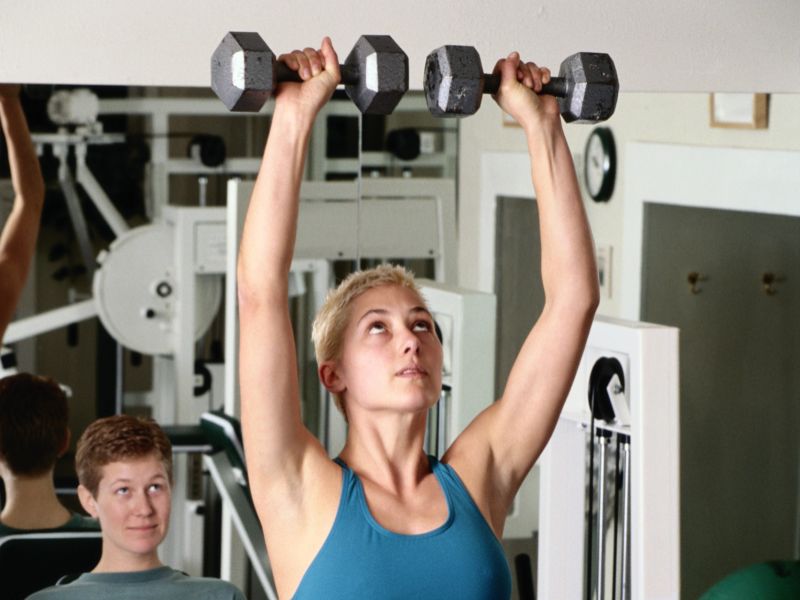
Building Muscle Could Boost the Body's Most Important Muscle
People with heart disease should prioritize weight training over weight loss, study says
Source: HealthDay
Related MedlinePlus Pages: Body Weight, Exercise and Physical Fitness, Heart Diseases via MedlinePlus Health News Read More Here..
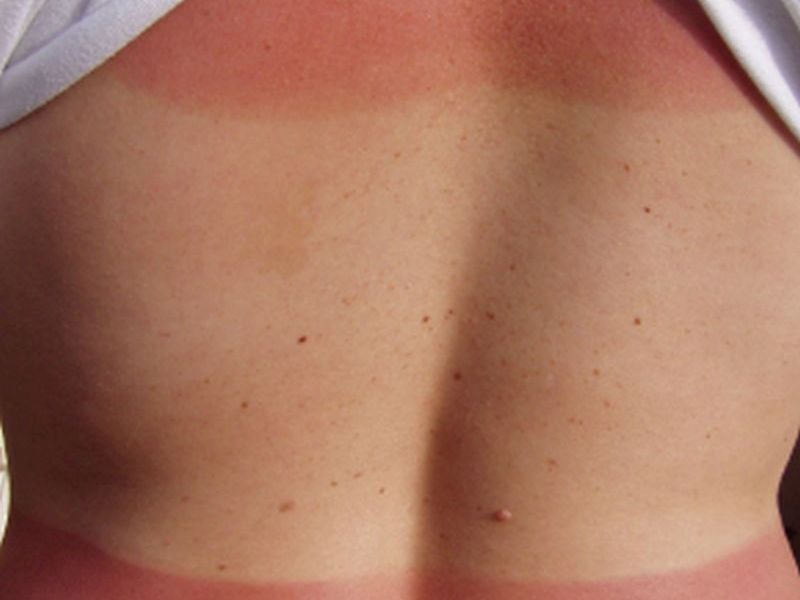
Some Smart Yet Easy Ways to Shield Yourself from Skin Cancer
Dermatologist offers advice on how to prevent, detect any abnormalities
Source: HealthDay
Related MedlinePlus Pages: Melanoma, Skin Cancer, Sun Exposure via MedlinePlus Health News Read More Here..
Coffee, Wine Good for Healthy Gut, Sodas May Be Bad
Study examines how food and medications affect makeup of bacteria in people's tummies
Source: HealthDay
Related MedlinePlus Pages: Carbohydrates, Diets, Nutrition via MedlinePlus Health News Read More Here..
Teen Birth Rate At Record Low in U.S.
They're delaying sex, using more effective birth control, CDC researcher says

Source: HealthDay
Related MedlinePlus Pages: Health Statistics, Teenage Pregnancy via MedlinePlus Health News Read More Here..
'Freckle' Gene Might Make You Look Older
Scientists say certain genetic variations can add 2 years to your face

Source: HealthDay
Related MedlinePlus Page: Skin Aging via MedlinePlus Health News Read More Here..
Mild Air Pollution of Concern in Pregnancy
Study found risk for a leading cause of premature birth began below EPA standards
Source: HealthDay
Related MedlinePlus Pages: Air Pollution, Pregnancy via MedlinePlus Health News Read More Here..
Source: HealthDay
Related MedlinePlus Pages: Air Pollution, Pregnancy via MedlinePlus Health News Read More Here..
Two Genes May Raise Odds for Fraternal Twin Pregnancies
Variants make the release of multiple eggs more likely, researchers say

Source: HealthDay
Related MedlinePlus Pages: Genetic Testing, Twins, Triplets, Multiple Births via MedlinePlus Health News Read More Here..
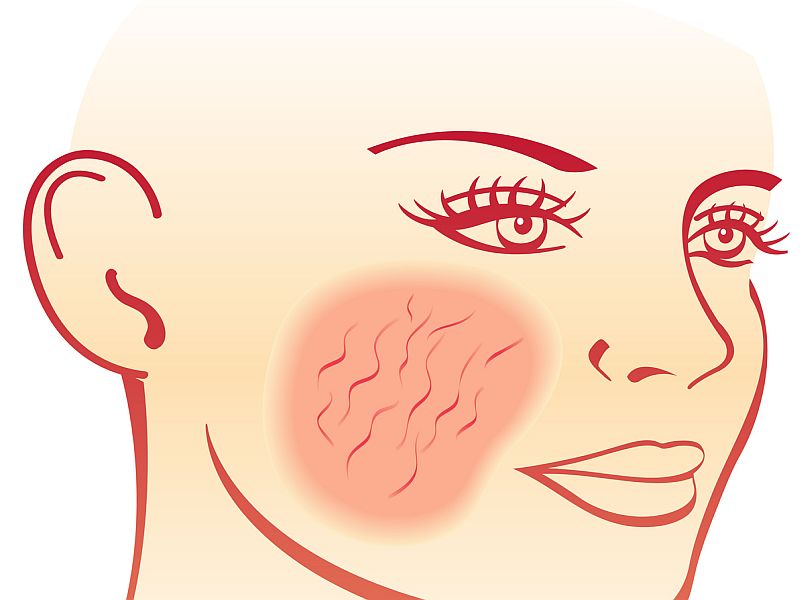
Are People with Rosacea At Higher Risk for Alzheimer'S?
Danish study finds a correlation, but patients shouldn't worry unduly, experts say
Source: HealthDay
Related MedlinePlus Pages: Alzheimer's Disease, Rosacea via MedlinePlus Health News Read More Here..
Births of Triplets, Quadruplets on Decline in U.S.: Report
Improvements in infertility treatments led to fewer risky multiple births by 2014, experts say
Source: HealthDay
Related MedlinePlus Pages: Assisted Reproductive Technology, Twins, Triplets, Multiple Births via MedlinePlus Health News Read More Here..
Source: HealthDay
Related MedlinePlus Pages: Assisted Reproductive Technology, Twins, Triplets, Multiple Births via MedlinePlus Health News Read More Here..
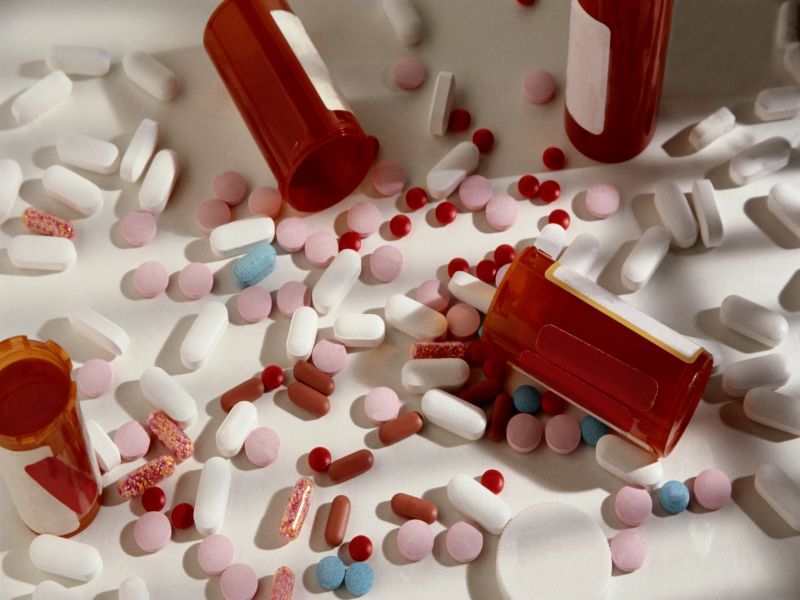
Got Unwanted Pills? Drug Take-Back Day Is April 30
National effort coordinates drop-off sites to keep prescriptions out of the hands of abusers
Source: HealthDay
Related MedlinePlus Page: Medicines via MedlinePlus Health News Read More Here..
Building Muscle Could Boost the Body's Most Important Muscle
People with heart disease should prioritize weight training over weight loss, study says
Source: HealthDay via Exercise and Physical Fitness New Links: MedlinePlus RSS Feed Read More Here..
Equality watchdog says junior doctors' contract 'discriminatory'
| Equality and Human Rights Commission says contract is potentially illegal Related items from OnMedica New junior doctors’ contract will be imposed from the summer BMA: Government puts politics before patients BMA to launch judicial review on contract imposition Juniors’ contract concerns about far more than pay GPs, consultants and public back striking juniors |
Obesity in England continues to rise
| Public health chiefs forecast 26 million obese adults by 2036 Related items from OnMedica Promote exercise not surgery to cut obesity and diabetes, say MPs Many overweight teens don’t realise they’re too heavy Will a sugar tax reduce obesity in the UK? Tackling obesity ‘must be made a national priority’ GP leaders condemn obesity strategy delay |
Four in ten nurses threaten to quit London
| They want new London mayor to stop crippling housing costs from pricing them out Related items from OnMedica Public believe many more nurses needed for safe care Nurse recruitment struggling to meet demand Nursing morale ‘has dropped through the floor’ Third of general practice nurses set to retire by 2020 Sign up with your local trust’s in-house bank, nurses urged |
Prison suicides hit 25-year high
| One in ten prisoners reported to have self-harmed last year Related items from OnMedica Praise for prison health team Hepatitis responsible for 93% of prison disease Self-harm epidemic among women prisoners Mental health nurses to be located in police stations Rise in prison suicides linked to mental health problems |
CQC slams troubled mental health trust
| Southern Health criticised for 'putting patients at risk' Related items from OnMedica Leaked report uncovers failure to look into 1,000+ mental health deaths Those subject to Mental Health Act need more support Extra £1bn a year to be pumped into mental health services Nearly one in four children denied access to mental health services in England Mental health sector ‘under strain’, says King’s Fund |
'Secret of youth' in ginger gene
Scientists say they have made a leap in knowing why some people retain their youthful looks while others age badly. via BBC News - Health Read More Here..
On The Pulse - April 2016
| Signs that inequalities in health are lessening |
Thursday, 28 April 2016
Coma brain scans predict if a person will ever recover awareness
Detecting brain circuits that switch back and forth give a good indication of whether someone with brain damage is ever likely to recover full consciousness via New Scientist - Health Read More Here..
Your choice of chocolate and contraceptive affect your gut bugs
The largest ever study of microbiomes reveals 69 factors that affect the bacteria that live in your gut, including diet and everyday medicines via New Scientist - Health Read More Here..
Short bursts of intense exercise 'as good' as endurance training
"Researchers have found that short bursts of intense exercise produce similar results to traditional longer-duration workouts," the Mail Online reports.
Researchers compared two types of exercise programme over a 12-week period with a control. The two programmes were:
- a 10-minute "intense" workout, three times a week (referred to as Sprint Interval Training)
- a 50-minute moderate intensity workout, once a week
At the end of the study, they found similar improvements in reliable fitness markers in both groups, such as the body's response to insulin, peak uptake of oxygen and the functioning of muscle cells. However, it is uncertain that the changes seen would have an effect on cardiovascular disease risk and outcomes in the long term.
The study was also quite small (just 25 young men), and the results ideally need verifying in a larger trial, including a study of wider population groups, such as women and different age groups. The study showed no effect on the men's weight or body mass index (BMI), and did not include information about any adverse effects or risks.
The message that your health may benefit from a 10-minute workout is welcome for anyone who struggles to find time to exercise. However, the researchers warn that very high-intensity exercise is not suitable for everyone.
There are also questions over its safety. Famously, in 2013, the broadcaster and journalist Andrew Marr blamed high-intensity training for triggering his stroke.
If you think you are very unfit, it is probably best to build up your fitness gradually, rather than trying to go all-out straight away.
Where did the story come from?
The study was carried out by researchers from McMaster University in Canada and was funded by the Natural Sciences and Engineering Research Council and McMaster University.
The study was published in the peer-reviewed journal Public Library of Science (PLOS) One on an open access basis, so it is free to read online.
The Mail Online's headline that you only need a "minute of exercise" is a bit disingenuous, as the intervals of high-intensity exercise were within a 10-minute session, which included a warm-up and warm-down, and was done three times a week. However, the full text of the story quickly makes that clear, and reports the study reasonably accurately.
What kind of research was this?
This was a randomised controlled trial (RCT), which is a good way of finding out if a treatment works. Researchers wanted to know whether very short, high-intensity exercise could improve health measures as much as moderate-intensity exercise, when compared to a group who did a "no exercise" programme.
What did the research involve?
Researchers recruited 27 men (two later dropped out) who did little exercise and whose average age was 27. They matched them for similar age, BMI and peak oxygen uptake. They were then randomly assigned to either high-intensity sprint interval training (SIT), traditional moderate-intensity continuous training (MICT), or to a control group which was not given an exercise programme.
They carried out a number of tests on their cardiovascular and metabolic health at the start, during, then again after they finished the 12-week programme. They then compared results of the two exercise groups to the control group.
The tests included:
- peak oxygen uptake (VO2 peak), measured through a mask worn while cycling on an exercise bike – high oxygen uptake shows the heart and lungs are working efficiently
- insulin sensitivity index (CS1) measured by monitoring how quickly the body clears glucose from the blood, after it's been infused into a blood vessel – poor insulin sensitivity can lead to type 2 diabetes
- muscle mitochondrial content, measured by taking a muscle biopsy – mitchondiral content gives an indication of how efficient the muscle is at using energy
Both exercise programmes were carried out using exercise bikes and included a two-minute warm-up and three-minute cool-down, cycling at low intensity. For the SIT programme, men cycled three 20-second bursts of "all out" effort, separated by periods of two minutes of low-intensity cycling, adding up to 10 minutes in total. For the MICT programme, they cycled for 45 minutes at approximately 70% of maximal heart rate, adding up to 50 minutes total.
What were the basic results?
Both exercise groups improved on the three tests, while the control group did not show much difference on any test.
Maximum oxygen uptake improved by about 19% for both exercise groups. Insulin sensitivity improved by 53% for men in the SIT programme and 34% for men in the MICT programme, while the measure of mitochondrial content in muscle cells rose 48% after the SIT programme and 27% after MICT.
None of the men showed much change in their weight or BMI, although body fat percentage decreased for men on either exercise programme.
How did the researchers interpret the results?
The researchers said their study showed that a weekly exercise programme of 30 minutes, including three minutes of intense intermittent exercise, was as effective as 150 minutes a week of moderate-intensity, continuous training on three measures of cardiovascular and metabolic health.
"Considering that a large number of individuals do not meet the current physical activity recommendations, there is value in exploring the potential benefits of exercise strategies that involve reduced time commitment," they say. However, they warn that, "this type of exercise requires a very high level of motivation and is clearly not suited for everyone."
Conclusion
The idea that a 10-minute workout could have the same benefits as spending 45 minutes in the gym is tempting. The researchers found it may improve specific markers of health, in one group of young men.
However, this is a small study in a specific population, and we don't know whether it would have comparable effects in older people or women. Also, we don't know the long-term effects of this type of training programme on people's health.
Studies that look at the effects of an intervention, whether it's exercise, diet or medicine, on health measures such as insulin resistance and oxygen uptake, can only give us a short-term, partial picture. What we really want to know is whether an intervention will reduce your chances of having a heart attack or stroke, or of getting diabetes, or dying earlier. Unfortunately, that information can only come from very long-term studies, which are expensive.
One gap in the study is assessment of safety or negative effects of this type of exercise. High-intensity exercise has been linked in the media to the risk of stroke, especially after broadcaster Andrew Marr suffered a stroke shortly after completing an intense session of exercise.
This study doesn't report any adverse effects, nor does it address safety issues. It is probably too small and of too short a duration to be able to detect any. Ideally, some comparison of the risks of strokes or heart attacks with different types of exercise would be needed. However, this would require a large trial and with long enough duration to identify differences.
There's no doubt that most of us need to do more exercise than we do, and that exercise has many health benefits. If you're concerned about the safety of a new exercise programme, it's best to talk to your doctor. You might need to start slowly and build up the amount and intensity of exercise you do, especially if you already have a medical condition.
Government guidelines recommend that adults in the UK should do at least 150 minutes a week of moderate-intensity exercise, or 75 minutes of vigorous exercise, as well as exercise to strengthen muscles. Read more about health and fitness.
Links To The Headlines
Is a MINUTE of exercise all you need? Researchers find 60 seconds of hard work in the gym can be as beneficial as a 45 minute endurance session. Mail Online, April 28 2016
Links To Science
Gillen JA, Martin BJ, MacInnis MJ, et al. Twelve Weeks of Sprint Interval Training Improves Indices of Cardiometabolic Health Similar to Traditional Endurance Training despite a Five-Fold Lower Exercise Volume and Time Commitment. PLOS One. Published online April 26 2016
Gene therapy reverses sight loss
A genetic therapy improves the vision of some patients who would otherwise have gone blind. via BBC News - Health Read More Here..
Antibiotics apocalypse: Tales from fighters on the front line
Our hospitals could one day be brought to their knees by antibiotic-resistant superbugs – doctors and scientists are seeing the first glimpse of such a world via New Scientist - Health Read More Here..
Processed food bad, natural food good? We’ve got it so wrong
The trend of demonising all processed food is misguided and will only doom attempts to persuade busy consumers to eat a balanced diet, says Anthony Warner via New Scientist - Health Read More Here..
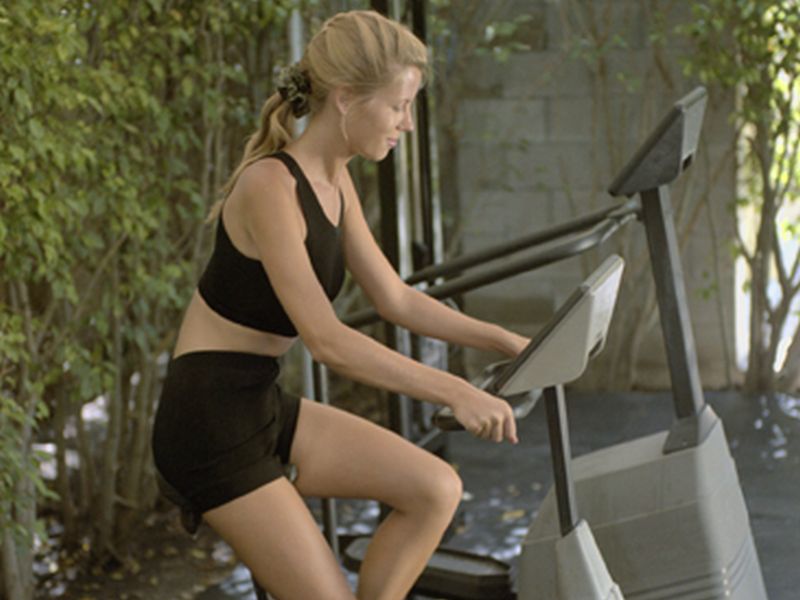
Gotta Minute? Get a Good Workout
Study found 60 seconds of intense exercise as effective as 45 minutes of moderate exertion
Source: HealthDay via Exercise and Physical Fitness New Links: MedlinePlus RSS Feed Read More Here..
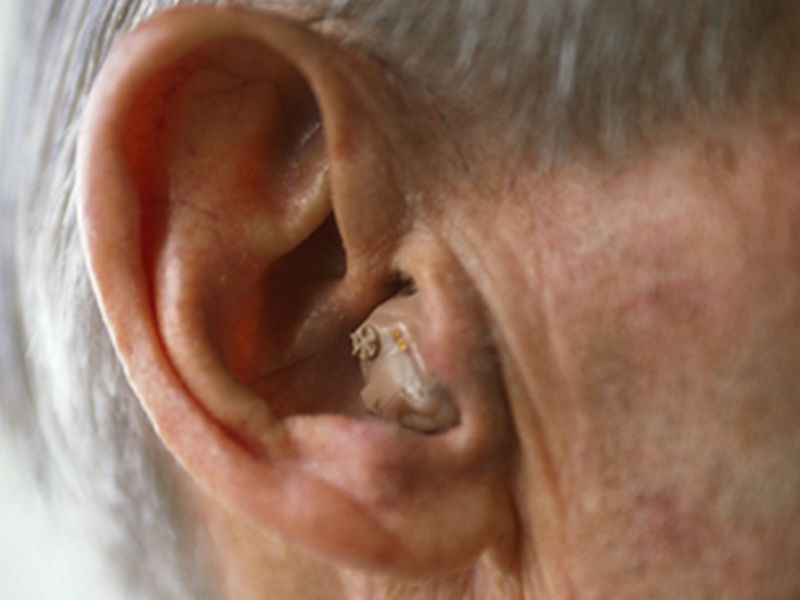
Hearing Aids May Help Keep Seniors' Minds Sharp
Ability to stay engaged in conversation could help ward off dementia, study suggests
Source: HealthDay
Related MedlinePlus Pages: Dementia, Healthy Aging, Hearing Aids via MedlinePlus Health News Read More Here..
Gotta Minute? Get a Good Workout
Study found 60 seconds of intense exercise as effective as 45 minutes of moderate exertion
Source: HealthDay
Related MedlinePlus Page: Exercise and Physical Fitness via MedlinePlus Health News Read More Here..
Psoriasis Tied to Obesity, Type 2 Diabetes
A genetic link is one theory for the possible association, researchers say
Source: HealthDay
Related MedlinePlus Pages: Diabetes Type 2, Obesity, Psoriasis via MedlinePlus Health News Read More Here..
Source: HealthDay
Related MedlinePlus Pages: Diabetes Type 2, Obesity, Psoriasis via MedlinePlus Health News Read More Here..
Sleep Doesn't Come Easy to Those with Brain Injuries
And that may affect daytime performance at work or school, research suggests

Source: HealthDay
Related MedlinePlus Pages: Sleep Disorders, Traumatic Brain Injury via MedlinePlus Health News Read More Here..
Mindfulness Therapy May Help Ease Recurrent Depression
Review of 9 studies suggests it helps patients better cope with troubling thoughts and emotions

Source: HealthDay
Related MedlinePlus Page: Depression via MedlinePlus Health News Read More Here..
Spanking: More Harm Than Good?
It can lead to psychological, learning problems in kids, analysis of 75 studies suggests
Source: HealthDay
Related MedlinePlus Pages: Child Development, Parenting via MedlinePlus Health News Read More Here..
Source: HealthDay
Related MedlinePlus Pages: Child Development, Parenting via MedlinePlus Health News Read More Here..
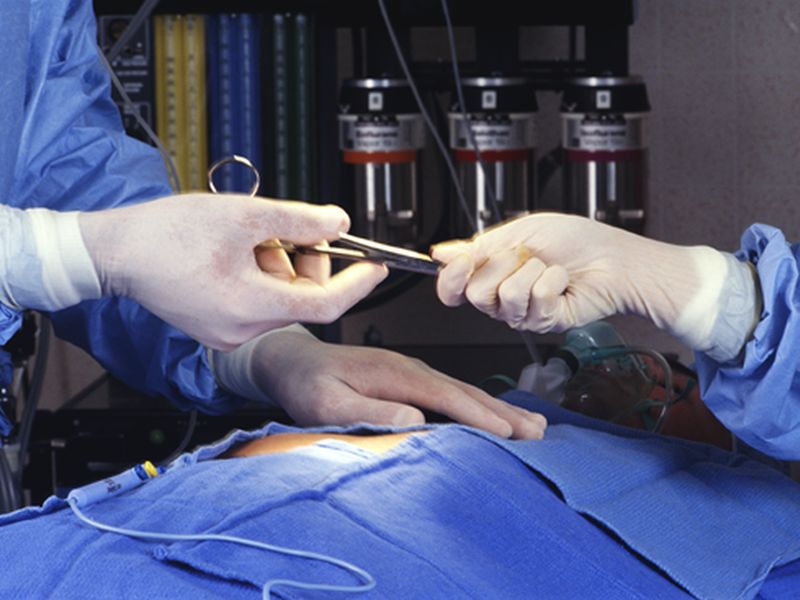
The 7 Deadliest Emergency General Surgeries
Gastrointestinal and bowel operations top the list because they're often done without planning or preparation, experts say
Source: HealthDay
Related MedlinePlus Pages: Emergency Medical Services, Surgery via MedlinePlus Health News Read More Here..
U.S. Health Report Card Finds Racial, Ethnic Disparities Persist
But infant death rates, numbers of uninsured are improving, government analysis reveals

Source: HealthDay
Related MedlinePlus Page: Health Disparities via MedlinePlus Health News Read More Here..
Processed food bad, natural food good? We’ve got it so wrong
The trend of demonising all processed food is misguided and will only doom attempts to persuade busy consumers to eat a balanced diet, says Anthony Warner via New Scientist - Health Read More Here..
Juniors’ contract concerns about far more than pay
| BMA again calls on Hunt to withdraw threat of imposition and return to negotiation Related items from OnMedica BMA launches contract legal challenge Hunt asks GPs to work harder during juniors’ strike GPs, consultants and public back striking juniors Striking out Lift imposition and we’ll call off next week’s strike, junior doctors tell Hunt |
Use of total hip replacement inconsistent and unfair
| Older, poorer, less mobile patients less likely to have THA even when eligible under NICE Related items from OnMedica Care for dementia patients with hip fractures - ‘sadly lacking’ Dramatic rise in hip replacements amongst middle aged Walk the talk on inpatient falls prevention, hospitals told Routine orthopaedic ops to be deferred for smokers and obese patients in Wales Get tough on hip fracture care, commissioners urged |
E-cigarettes beneficial to UK health and help quitting
| Support their use and promote them as strategy for tobacco harm reduction, say experts Related items from OnMedica MHRA licences electronic cigarettes Teens who vape, likely to try the real thing a year on Significant cuts to stop smoking services identified Stop smoking drugs not linked to rise in psychiatric side effects E-cigs ‘significantly less harmful than smoking’ insist leading health bodies |
Statins might not cut colorectal cancer risk after all
| Association could be caused by indication bias, suggests analysis of UK primary care data Related items from OnMedica Statins associated with 46% increased diabetes risk Statins could slow progress of advanced multiple sclerosis Statins may slow prostate cancer progression in advanced disease Statins and dietary changes have saved 20,000 lives |
GP numbers fall 1.9% despite Hunt’s aims for 5,000 more
| Crisis in general practice as unsustainable workload pressures force GPs out, says BMA Related items from OnMedica BMA calls urgent meeting for doctors to tackle NHS crises GP recruitment time-bomb ‘ready to explode’ Things to look forward to GP patient care quality sliding into ‘state of emergency’ BMA calls for maximum number of patients per GP |
HRT – reversal of fortune!
| Louise Newson discusses how the WHI study has been misinterpreted, resulting in women missing out on the benefits of HRT |
Wednesday, 27 April 2016
Sperm-binding beads could work as fertility aid or contraceptive
Microbeads coated in a human egg protein work as a contraceptive in mice and could also be used to select the best sperm for IVF via New Scientist - Health Read More Here..
Fulfilling Our Unique Humanity
Maslow, Rogers, Satir and Erickson are just some of the scholars who have shaped and will continue to shape a core psychological paradigm – humanism.
In this article, I elaborate on the optimal conditions necessary to become the best persons we can possibly be. Some psychologists refer to this ultimate state as self-actualization. I call it the optimal phenotype. I will also expound on the core features of what it is like to become self-actualized, as per Maslow.
Genetic underpinning is only a part of who we are. Genes create possibilities. Our internal and external experiences have more to do with the structure of our autobiography.
Getting our biopsychosocial needs met consistently and met over time is an important accomplishment. We need to experience essential survival needs, needs for safety and security, of affiliation and affection, for recognition and approval, to be in place before moving towards self-actualization.
According to Erickson, achieving mastery at each of the nine psychosocial developmental levels is another significant achievement. We learn to: trust others, show autonomy, demonstrate initiative, form an identity, realize intimacy with others, show generativity by serving others, and experience integrity and transcendence at the end of our days.
Those who eventually realize self-actualization evidence four common qualities. One, they have several, very close friendships as opposed to many “friends” on the varied social internet sites. Secondly, they are intrinsically motivated as opposed to some who seek external rewards for their actions. They experience a clarity about who they are and not in the world. Finally, periods of intense joy and contentment are frequent.
We all have an opportunity to be and do the best we can, and the end result is absolutely amazing!
via Brain Blogger Read More Here..Skateboarding Mishaps Send 176 U.S. Kids to ERs Every Day
Protective gear is essential for preventing injuries, experts say

Source: HealthDay
Related MedlinePlus Pages: Children's Health, Sports Injuries, Sports Safety via MedlinePlus Health News Read More Here..
Young Gay, Bisexual Men May Be At Higher Risk for Suicide, Study Finds
They were much more likely to attempt to harm themselves than older counterparts, and blacks were also vulnerable
Source: HealthDay
Related MedlinePlus Pages: Gay, Lesbian, Bisexual and Transgender Health, Health Disparities, Mental Health via MedlinePlus Health News Read More Here..
Source: HealthDay
Related MedlinePlus Pages: Gay, Lesbian, Bisexual and Transgender Health, Health Disparities, Mental Health via MedlinePlus Health News Read More Here..
Drug for Yeast Infections May Raise Miscarriage Risk, FDA Warns
Agency recommends alternatives to fluconazole for mothers-to-be until its review is complete
Source: HealthDay
Related MedlinePlus Pages: Miscarriage, Pregnancy, Yeast Infections via MedlinePlus Health News Read More Here..
Omega-3 Fish Oil Supplements Might Boost Antidepressants' Effects
Data from 8 randomized clinical trials suggests a benefit, but consult with your doctor first, experts say
Source: HealthDay
Related MedlinePlus Pages: Antidepressants, Dietary Supplements via MedlinePlus Health News Read More Here..
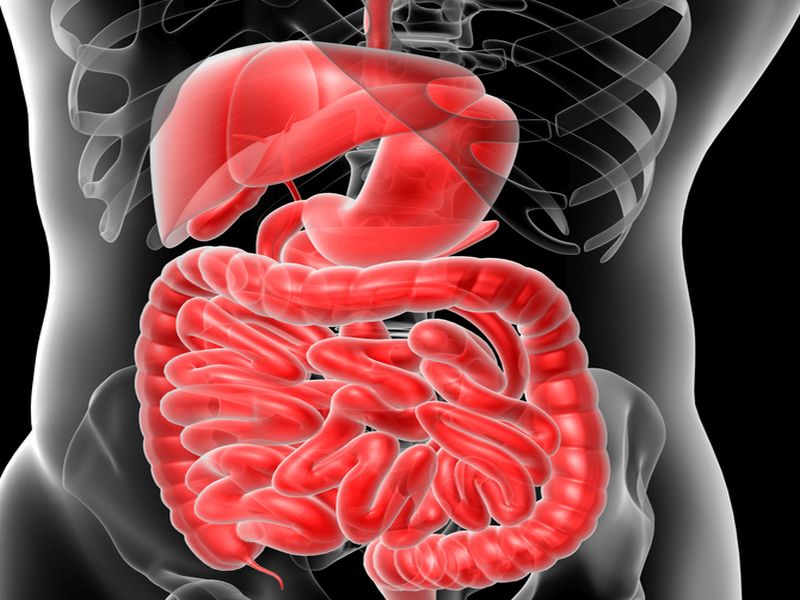
Statins Might Not Lower Colon Cancer Risk: Study
But cholesterol levels may be associated with reduced chance of disease
Source: HealthDay
Related MedlinePlus Pages: Cholesterol, Colorectal Cancer, Statins via MedlinePlus Health News Read More Here..
Americans Getting Adequate Water Daily, CDC Finds
Men take in an average of 14 cups a day, women almost 12
Source: HealthDay
Related MedlinePlus Pages: Drinking Water, Nutrition via MedlinePlus Health News Read More Here..
Norovirus a Costly Bug
It sickens nearly 700 million people worldwide each year, costs $4 billion to treat, study says
Source: HealthDay
Related MedlinePlus Page: Norovirus Infections via MedlinePlus Health News Read More Here..
Source: HealthDay
Related MedlinePlus Page: Norovirus Infections via MedlinePlus Health News Read More Here..
Day Care Babies Catch Stomach Bugs Earlier, but Get Fewer Later
Protective effect seen from preschool to age 6, study says
Source: HealthDay
Related MedlinePlus Pages: Child Care, Gastroenteritis via MedlinePlus Health News Read More Here..
Source: HealthDay
Related MedlinePlus Pages: Child Care, Gastroenteritis via MedlinePlus Health News Read More Here..
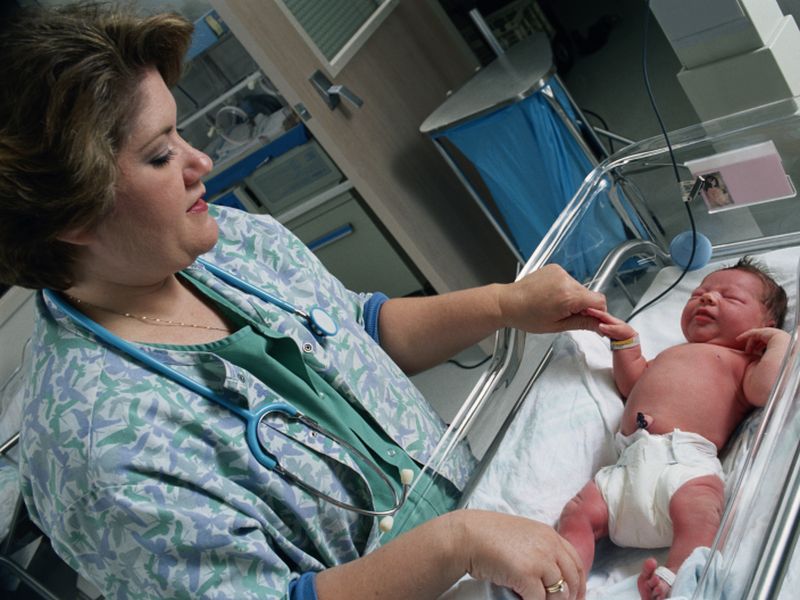
Night Shift Work May Be Tough on A Woman's Heart
But study found the effect waned after nurses stopped working odd hours
Source: HealthDay
Related MedlinePlus Pages: Heart Disease in Women, Occupational Health, Women's Health via MedlinePlus Health News Read More Here..
Rates of Severe Obesity Among U.S. Kids Still Rising
Treatment for these 4.5 million children is urgently needed, researcher says
Source: HealthDay
Related MedlinePlus Page: Obesity in Children via MedlinePlus Health News Read More Here..
Source: HealthDay
Related MedlinePlus Page: Obesity in Children via MedlinePlus Health News Read More Here..
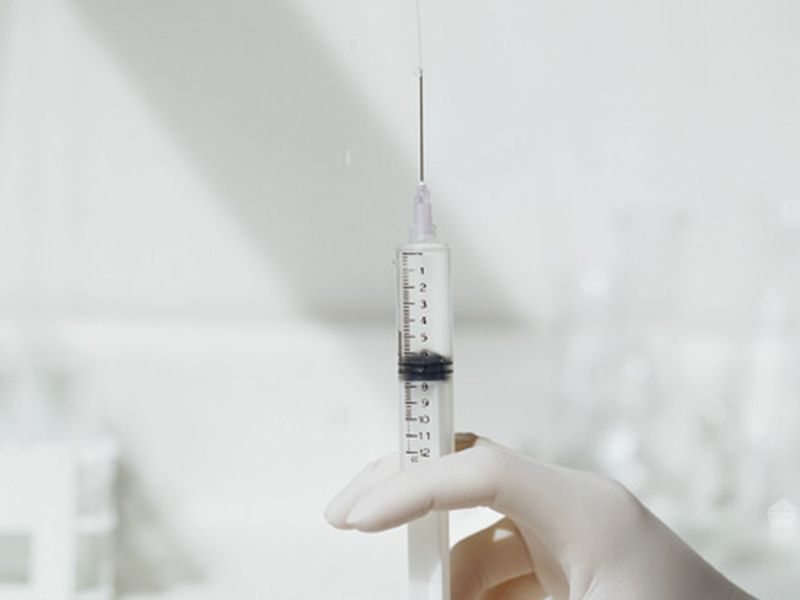
With Flu Shot, Timing May Be Everything
Vaccination seems to provide greater immune response in the morning than in the afternoon, study suggests
Source: HealthDay
Related MedlinePlus Pages: Flu, Flu Shot via MedlinePlus Health News Read More Here..
GMB to ballot ambulance staff on possible industrial action
| Union claims health secretary has broken promises to improve pay and conditions Related items from OnMedica Thousands of ambulance patients caught in A&E queues Health unions announce new round of industrial action early next year Ambulance trust criticised for 111 ‘failings’ Most emergency staff suffer alcohol-related abuse Alcohol plays central role in ambulance assaults |
Yoga may relieve asthma symptoms and boost quality of life
| But not clear if it aids lung function or curbs use of medicines, finds Cochrane review Related items from OnMedica Yoga may reduce risk factors of cardiovascular disease Unsafe asthma prescribing threatens 22,000 people’s lives Fewer lung symptoms in children as air pollution levels drop Healthy diet linked to lower COPD risk Childhood asthma overdiagnosed, warn respiratory doctors |
End-of-life care heading for ‘meltdown’ without cash boost, warns cancer charity chief
| 15,000 more cancer deaths in 2020 than in 2010, estimates Macmillan Related items from OnMedica Doctors call for better training in end-of-life care Medication focus in new end-of-life guidance Palliative care Only half of clinicians feel patients’ end-of-life needs are met End-of-life care ‘improving’ |
Act now to halt air pollution’s death toll, MPs urge government
| Public health emergency is killing 50,000 people prematurely every year Related items from OnMedica So-called safe EU air pollution levels may still be deadly Air pollution death rates mapped Fewer lung symptoms in children as air pollution levels drop 40,000 deaths annually due to air pollution Climate change poses major threat to health |
EU membership best for cancer patients and research, say leading oncologists
| Brexit threatens vital investment, infrastructure, and collaboration, they warn Related items from OnMedica Cancer Patient Bill of Rights launched in Europe Clinical research Revisions to EU data protection Hunt says Brexit would be a threat to NHS Brexit could end our strategic influence on science policy, warns Lords report |
State of US health: black health up, teen pregnancies down
A report on health in the US finds that people are living longer, racial disparities are improving, but suicide, heroin use and ADHD are on the rise via New Scientist - Health Read More Here..
Obesity 'explosion' in Chinese youth
Levels of obesity in China's rural youth have rapidly increased, a study warns, because of socioeconomic changes. via BBC News - Health Read More Here..
Animals may be fed manure-bred maggots to make meat sustainable
An EU ban on the use of insect larvae in feed for farmed salmon, pigs and chicken may be relaxed after study concludes that it is safe via New Scientist - Health Read More Here..
Tuesday, 26 April 2016
Prescription monitoring system to curb drug abuse in Australia
Real-time monitoring for drugs like OxyContin, morphine and Xanax is intended to enable doctors and pharmacists in Victoria to curb addiction and offer help via New Scientist - Health Read More Here..
Sleeping away from home? Half your brain is still awake
People often struggle to sleep their first night in an unfamiliar room, which might be because the left brain remains vigilant for threats via New Scientist - Health Read More Here..
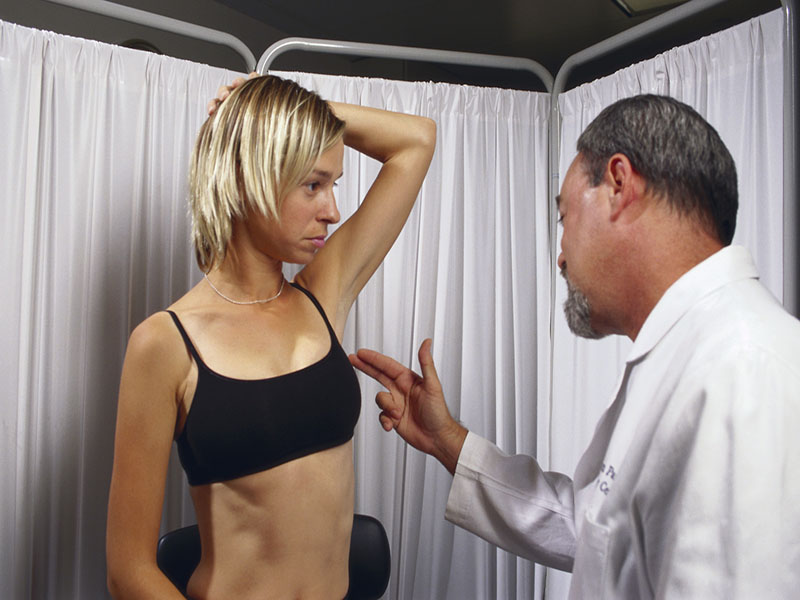
Nipple-Preserving Mastectomies Appear Safe for High-Risk Women
Preventive breast surgeries with nipple intact don't raise breast cancer risk, researchers report
Source: HealthDay
Related MedlinePlus Pages: Breast Cancer, Mastectomy via MedlinePlus Health News Read More Here..
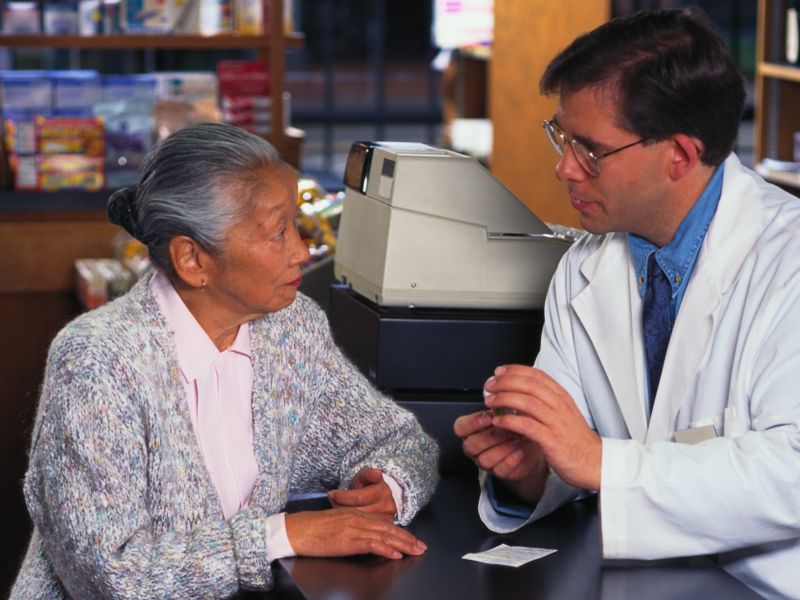
Pharmacists Can Manage Some Chronic Conditions Effectively, Study Suggests
But it's not clear if they could reduce symptoms more or help you live longer than your doctor can
Source: HealthDay
Related MedlinePlus Pages: Health Disparities, Health Occupations via MedlinePlus Health News Read More Here..
Music Might Give Babies' Language Skills a Boost
Small study suggests an effect, but just how long it may last is unclear
Source: HealthDay
Related MedlinePlus Page: Child Development via MedlinePlus Health News Read More Here..
Source: HealthDay
Related MedlinePlus Page: Child Development via MedlinePlus Health News Read More Here..
Babies Fed Rice-Based Cereals Have Higher Arsenic Levels, Study Finds
To avoid potential harm, experts recommend consuming a variety of grains early in life

Source: HealthDay
Related MedlinePlus Pages: Arsenic, Infant and Newborn Nutrition via MedlinePlus Health News Read More Here..
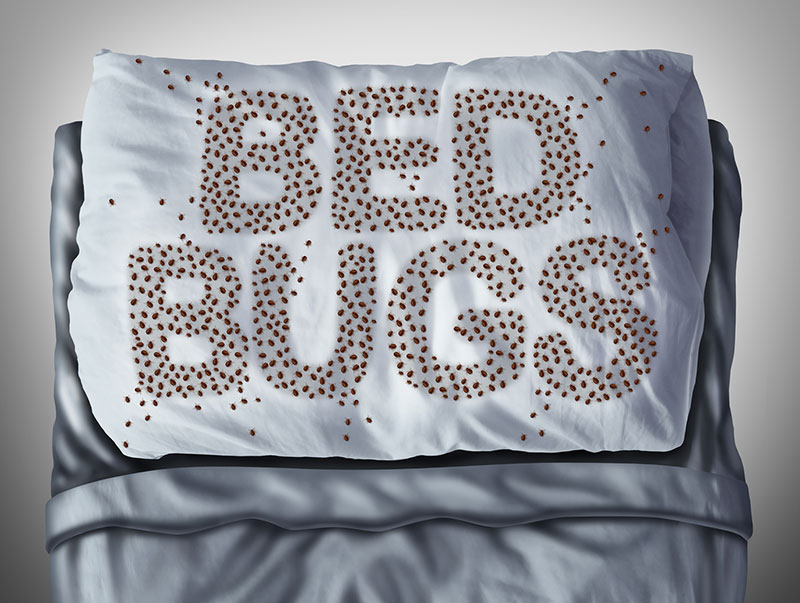
Bed Bugs Drawn to Red and Black Colors
Critters strongly prefer those bedroom hues to green and yellow, study found
Source: HealthDay
Related MedlinePlus Page: Bedbugs via MedlinePlus Health News Read More Here..
Certain Cancers Seem Less Likely for Kids of Hispanic Moms Born Outside U.S.
Analyzing immigrant population can help identify tumor causes, researcher says

Source: HealthDay
Related MedlinePlus Pages: Cancer in Children, Hispanic American Health via MedlinePlus Health News Read More Here..
E-Cigarette Ads May Help Lure Teens to The Habit
Researchers, experts call for ban on such promotions, much like what happened with tobacco cigarette ads

Source: HealthDay
Related MedlinePlus Pages: E-Cigarettes, Smoking and Youth via MedlinePlus Health News Read More Here..
Focus on Healthy Foods, Not Avoiding 'Bad' Ones, for Heart Health
Fewer heart attacks, strokes and deaths seen among those who follow Mediterranean-style eating plan

Source: HealthDay
Related MedlinePlus Pages: Diets, Nutrition via MedlinePlus Health News Read More Here..
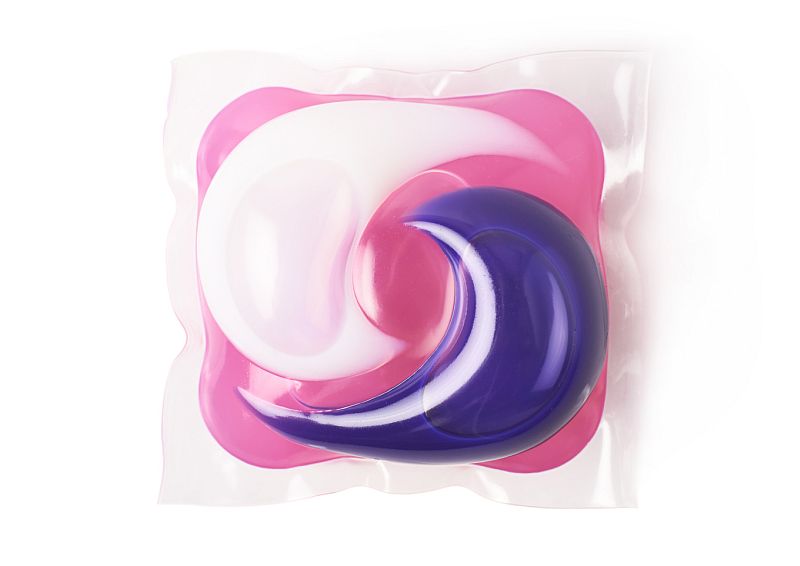
More Kids Being Poisoned by Detergent Pods
Parents of young kids should not have these products in the home, experts say
Source: HealthDay
Related MedlinePlus Pages: Child Safety, Household Products via MedlinePlus Health News Read More Here..
Temporarily Turning Blue Sometimes Normal for Babies, Doctors Say
American Academy of Pediatrics refines guideline on what's called a 'brief resolved unexplained event'
Source: HealthDay
Related MedlinePlus Page: Infant and Newborn Care via MedlinePlus Health News Read More Here..
Source: HealthDay
Related MedlinePlus Page: Infant and Newborn Care via MedlinePlus Health News Read More Here..
Hospitals 'coping with all-out strike'
Hospitals in England are coping well with the all-out strike by junior doctors - the first in the history of the NHS - health bosses are reporting. via BBC News - Health Read More Here..
Hunt asks GPs to work harder during juniors’ strike
| Hunt’s ‘exhaustive’ strike plans: asking GPs to extend their hours for non-emergency care Related items from OnMedica Striking out Doctors set to for all-out strike as accusations fly BMA launches contract legal challenge Lift imposition and we’ll call off next week’s strike, junior doctors tell Hunt Hunt ‘never planned to insist on changes to existing contracts’ |
Only a quarter have access to needed mental health services
| NAO finds that meeting the standards will be ‘a very significant challenge’ Related items from OnMedica £10m plan to boost community mental health Nearly one in four children denied access to mental health services in England All women must have access to perinatal mental health service Falling suicide rate linked to improving NHS mental health care Guidance to reduce stigma in mental health services |